
Patios & Walkways in Phoenix, MD
Build Outdoor Surfaces That Follow the Property
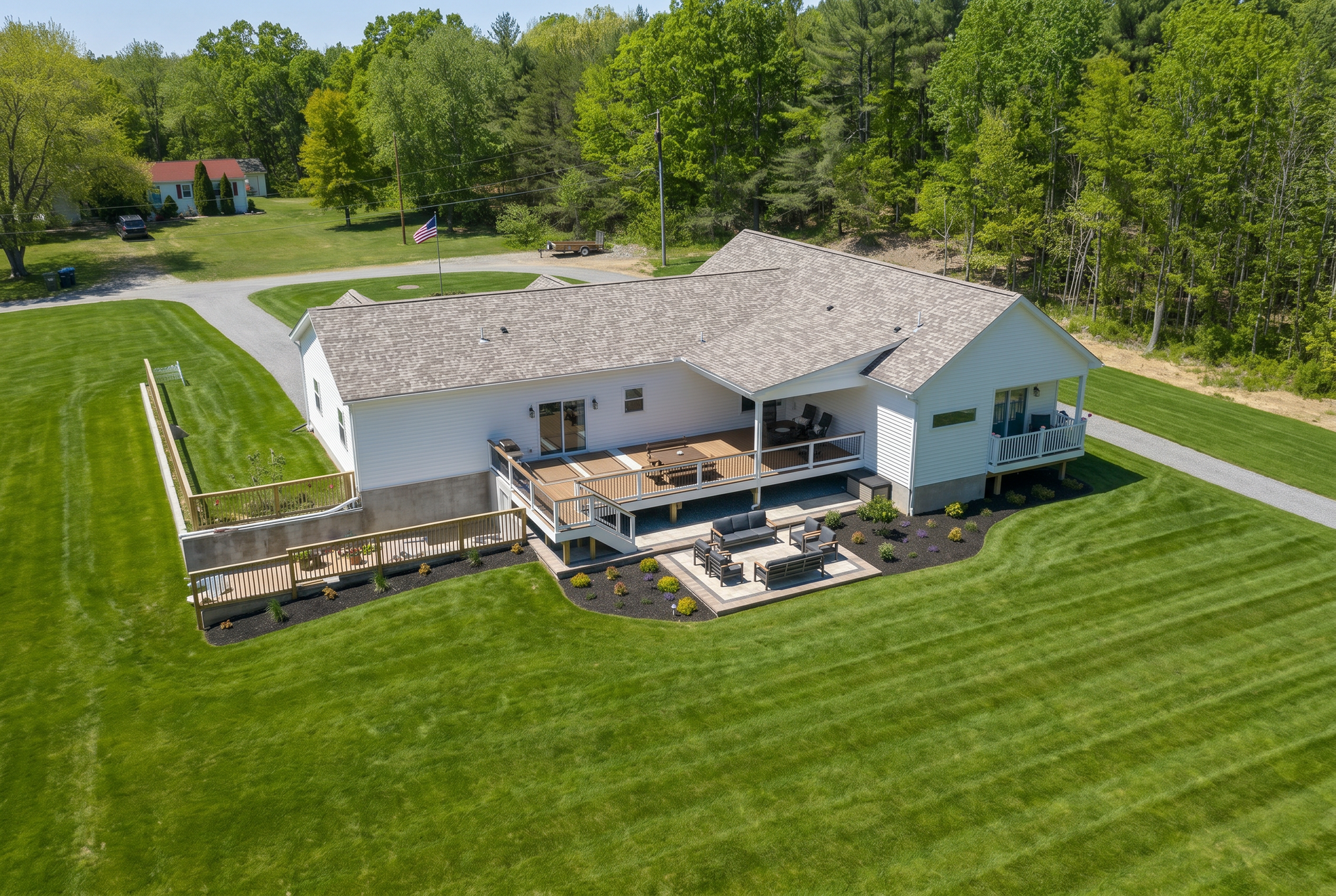
A patio or walkway in Phoenix should feel like it belongs to the land around it. Many properties have wooded edges, open yard areas, natural grade changes, or longer views that can make a standard patio layout feel too flat or too disconnected from the setting.
Bayside Outdoor Living designs and builds patios and walkways in Phoenix, MD for homeowners who want outdoor spaces that feel more connected, comfortable, and intentional. The right plan can bring together paver patios, natural stone walkways, steps, drainage, seating areas, and transitions that work with the shape of the property instead of fighting against it.
Let the Yard Shape the Patio Layout
In Phoenix, a patio does not always need to sit in the most obvious place. The best location may depend on where the yard opens up, where the grade feels most workable, where privacy feels strongest, or where the view from the home already draws the eye.
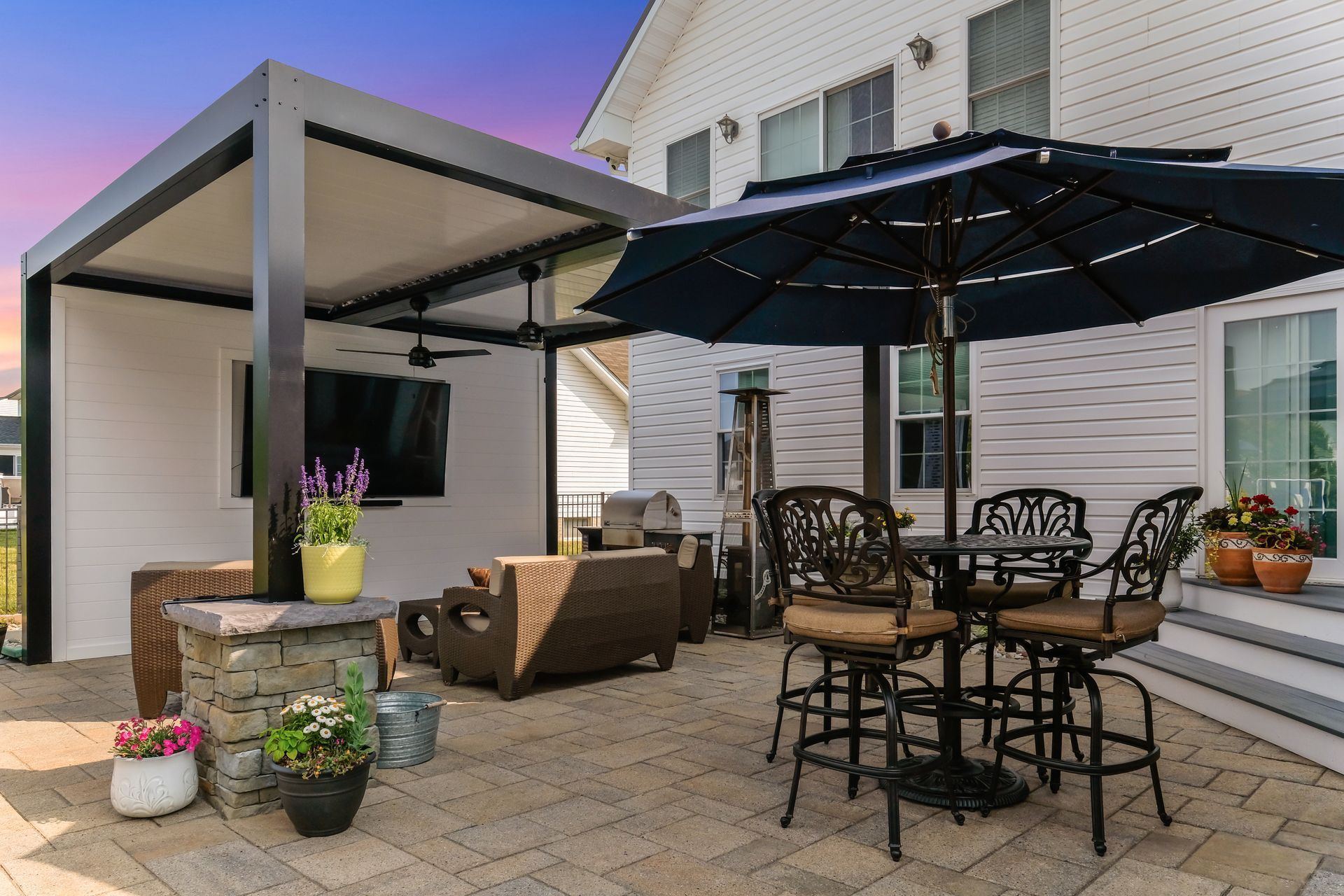
A larger or more natural property can support different outdoor moments. One patio may create the main area for dining and gathering near the home. A walkway may lead to a quieter seating area, fire feature, pavilion, or garden-style space farther into the yard. Steps may be needed where the grade changes instead of forcing the patio into an awkward level.
The goal is to make the hardscape feel settled into the property. A patio should create a usable outdoor room, while walkways and steps should make movement feel natural from one area to the next.
Patio and Walkway Materials for a Phoenix Setting
The right material should match the style of the home, the surrounding landscape, and the level of use the patio or walkway will receive. For Forest Hill properties, the surface should also feel appropriate beside lawns, garden beds, wooded edges, pool areas, or existing outdoor features.
Pavers for Defined Patio Areas
Pavers can create a clean and reliable surface for dining, seating, grilling, or gathering outside. They work well when the patio needs a more structured shape near the home, outdoor kitchen, pergola, or pavilion.
Natural Stone for Outdoor Paths
Natural stone can help walkways feel more connected to wooded edges, garden-style areas, and softer outdoor settings. It can add texture without making the path feel too formal for the surrounding property.
Flagstone for Informal Walkways
Flagstone can create a more relaxed route through the yard, especially when the path connects a patio to a fire feature, seating area, or quieter part of the property. Its natural variation can help the walkway feel less rigid.
Concrete Pavers for Clean Transitions
Concrete pavers can be useful when the design needs a consistent surface between patios, steps, walkways, and nearby hardscape. They can create a more orderly connection without losing flexibility in color, pattern, or layout.
Use Steps and Walkways to Handle Grade Changes
Phoenix properties can include slopes, raised areas, or transitions that need more than a flat patio surface. Steps and walkways can help turn those changes in elevation into part of the design.
A walkway may need to move gradually through the yard instead of running in a straight line. Steps may need to connect a deck, patio, lawn, pool area, or fire feature without feeling abrupt. When grade changes are planned carefully, the outdoor space feels easier to move through and more comfortable to use.
These details also affect how finished the project feels. A patio that ends suddenly at a slope can feel incomplete. A walkway that follows the land and connects the right areas can make the entire backyard feel more intentional.
Plan Drainage, Edges, and Long-Term Use
A patio or walkway should look good, but it also needs to perform well over time. Drainage, base preparation, slope, edge restraint, and nearby grades all affect how the hardscape feels after rain, seasonal changes, and regular use.
In Phoenix, where a project may interact with wooded areas, open lawn, slopes, or longer walkway routes, water movement should be reviewed early. A patio should not send water toward the home. A walkway should not create soft spots or awkward runoff. Steps and transitions should feel stable and comfortable.
Edges also matter. The patio may meet lawn, stone, steps, walls, planting areas, a fire feature, or an outdoor kitchen. Clean transitions help the finished hardscape feel connected to the property instead of placed on top of it.
Our Patio and Walkway Process in Phoenix, MD
Study the Property Layout
We review the home, yard, grade, existing hardscape, wooded edges, views, access points, and how the homeowner wants to use the outdoor space.
Choose the Main Patio Areas
We identify where dining, seating, grilling, fire features, or outdoor rooms should sit based on comfort, privacy, grade, and connection to the home.
Map Walkways and Steps
We plan how people should move between the house, patio, side yard, pool area, fire feature, pavilion, or other outdoor destinations.
Study the Property Layout
We review the home, yard, grade, existing hardscape, wooded edges, views, access points, and how the homeowner wants to use the outdoor space.
Choose the Main Patio Areas
We identify where dining, seating, grilling, fire features, or outdoor rooms should sit based on comfort, privacy, grade, and connection to the home.
Map Walkways and Steps
We plan how people should move between the house, patio, side yard, pool area, fire feature, pavilion, or other outdoor destinations.
Select Materials and Surface Details
We review pavers, natural stone, flagstone, concrete pavers, textures, colors, borders, and finishes that fit the home and property.
Address Drainage and Base Preparation
We consider slope, water movement, excavation, compaction, edge restraint, and how the hardscape should perform over time.
Prepare the Project for Installation
Once the layout, materials, drainage, and transitions are clear, the patio and walkway project can move forward with a plan shaped around the property.
Select Materials and Surface Details
We review pavers, natural stone, flagstone, concrete pavers, textures, colors, borders, and finishes that fit the home and property.
Address Drainage and Base Preparation
We consider slope, water movement, excavation, compaction, edge restraint, and how the hardscape should perform over time.
Prepare the Project for Installation
Once the layout, materials, drainage, and transitions are clear, the patio and walkway project can move forward with a plan shaped around the property.
Create a Patio and Walkway Plan for Your Phoenix Property
A custom patio or walkway can make your outdoor space feel more usable, more connected, and more natural to the property. Bayside Outdoor Living can help you design patios and walkways in Phoenix, MD that fit the land, support daily outdoor use, and create better movement through the yard.
FAQs
About Patios & Walkways in Phoenix, MD
What patio material works well for a natural property setting?
Pavers, natural stone, flagstone, and concrete pavers can all work depending on the style of the home, the grade of the yard, drainage needs, and how formal or natural the outdoor space should feel.
Can walkways help with a sloped backyard?
Yes. Walkways and steps can make a sloped backyard easier to move through. The design should consider grade changes, safe footing, drainage, and how each outdoor area connects.
Should a Phoenix patio be built close to the home?
Not always. Many patios work well near the home, but some properties may benefit from an additional seating area, fire feature patio, or destination space farther into the yard.
Why is drainage important for patios and walkways?
Drainage helps protect the hardscape from low spots, water pooling, soft edges, and uncomfortable walking areas. It should be planned before installation so the patio and walkways perform better over time.