
Patios & Walkways in Reisterstown, MD
Give the Backyard a Place to Come Together
In many Reisterstown homes, the yard has enough potential for outdoor living, but the main surface does not always support it well. Maybe the current patio is too narrow for a table and chairs. Maybe the walkway from the driveway feels disconnected from the backyard. Maybe the space below a deck is being used only because it is there, not because it was designed well.
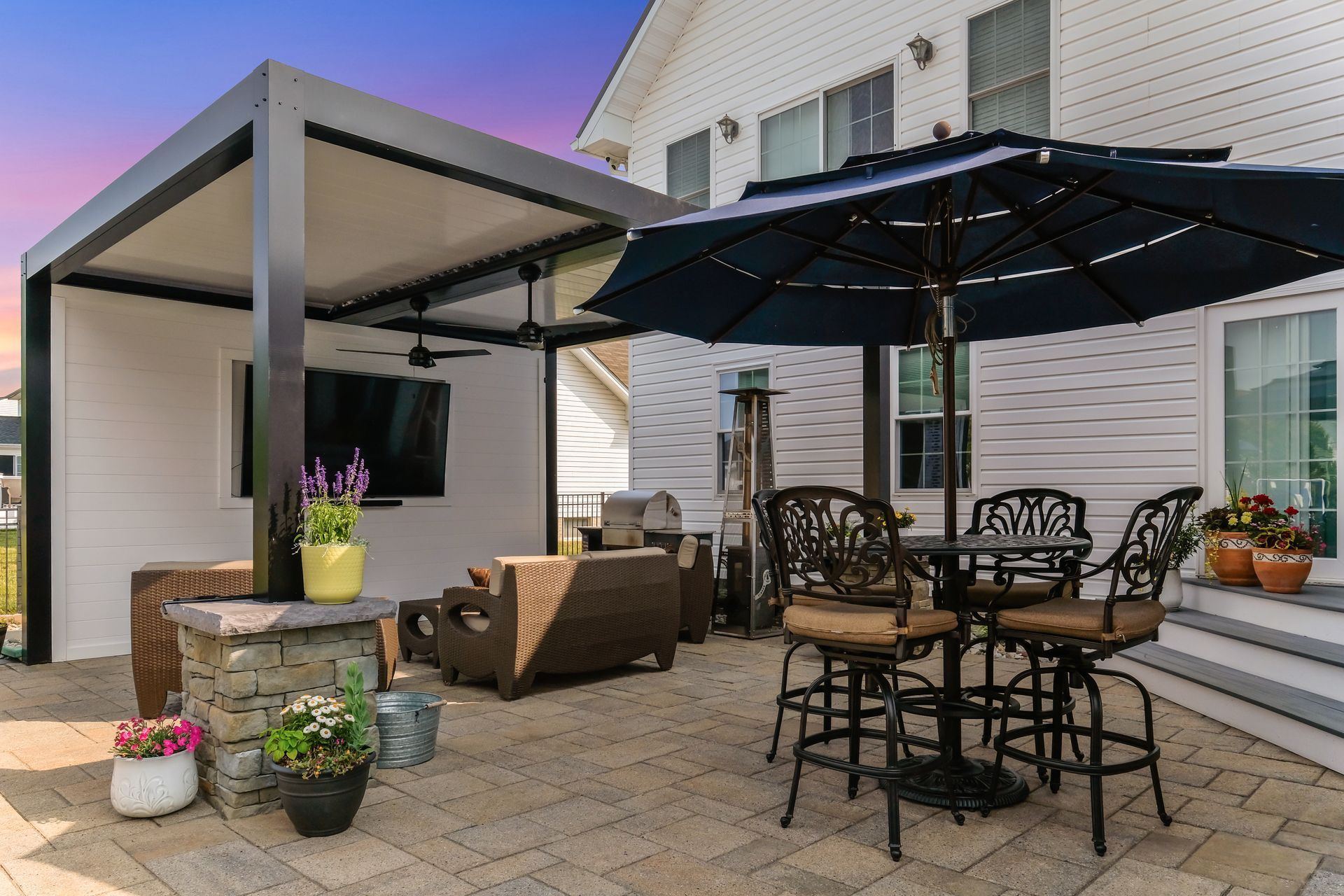
Patios and walkways can change how the whole property feels. A better patio gives people a real place to sit, eat, gather, and move comfortably. A better walkway helps the home, side yard, pool, lawn, garden edge, or outdoor feature feel connected instead of separate. Bayside Outdoor Living designs and builds patios and walkways in Reisterstown, MD with layouts, materials, drainage, steps, and transitions planned around how the yard is actually used.
Start With the Areas That Feel Awkward Now
A patio project should not begin with paver color alone. It should begin with the parts of the yard that feel inconvenient. That might be the back door that opens into a cramped landing, the slope that makes furniture sit unevenly, or the walkway that does not guide guests where they naturally need to go.
For some Reisterstown homeowners, the priority is creating a larger outdoor dining area. For others, it is making the route from the driveway to the backyard easier, improving the connection to a pool, or replacing an older walkway that no longer matches the home. The best patio company will look at those movement patterns before deciding the final shape of the patio.
When the layout is planned first, the finished hardscape feels more natural. Seating has room. Steps land in the right place. Walkways feel intentional. The patio becomes part of the way the property works instead of just another surface behind the house.
Patio and Walkway Materials for Reisterstown Homes
Material choice affects appearance, comfort, maintenance, and how well the new hardscape fits the home. Reisterstown properties can vary from established neighborhood lots to larger residential yards, so the material direction should match both the house and the outdoor setting.
Pavers for Flexible Patio Layouts
Pavers work well for patios that need a clean shape, defined edges, and design flexibility. They can support dining areas, lounge areas, fire feature spaces, and transitions to walkways or steps.
Natural Stone for a More Established Look
Natural stone can suit homes where the outdoor space needs texture and character. It can help a patio or walkway feel more connected to mature landscaping, older home details, or surrounding stonework.
Flagstone for Informal Walkways
Flagstone can work well for softer walkway routes, garden-style paths, or areas where a more relaxed transition makes sense. It can help the path feel less rigid while still giving the yard a clear route.
Concrete Pavers for Clean Connections
Concrete pavers can create consistent surfaces for patios, walkways, landings, and connecting paths. They offer flexibility in color, pattern, and scale while keeping the design organized.
Design Walkways Around Real Movement
Walkways should follow the way people naturally use the property. A path from the driveway to the backyard may need to support guests, deliveries, or daily access. A path from the patio to the pool may need enough width for towels, chairs, and steady foot traffic. A side-yard walkway may need to solve drainage or muddy access problems.
The route should feel comfortable, but it should also make sense visually. A straight walkway may work well for a formal front or side connection. A more relaxed curve may feel better in a backyard with mature trees, lawn space, or a softer landscape edge.
Steps, landings, and transitions matter just as much as the path itself. If a walkway meets a deck, porch, gate, patio, pool deck, or retaining wall, that transition should feel safe, balanced, and planned.
Plan Drainage, Edges, and Furniture Space Early
A beautiful patio can become frustrating if water settles in the wrong place or furniture does not fit comfortably. Drainage should be reviewed before construction begins, especially when the patio connects to the house, a deck, a slope, or an older hardscape area.
Edges also affect the final look and long-term use. Borders, restraints, step details, planting-bed transitions, and walkway connections help the patio feel finished. Without clear edge planning, the space can look incomplete even if the surface material is attractive.
Furniture space should be measured realistically. A dining table needs room for chairs to slide back. A seating area needs room for movement around the furniture. A patio connected to a fire feature or outdoor kitchen may need additional clearance so the space does not feel crowded during gatherings.
Our Patio & Walkway Process in Reisterstown, MD
Review How the Yard Is Used
We look at entrances, existing patios, deck connections, driveway access, slopes, pool areas, side yards, and the routes people already take across the property.
Define the Main Patio Purpose
We identify whether the space should support dining, lounging, entertaining, fire features, poolside use, outdoor cooking, or a more comfortable everyday sitting area.
Map Walkway Connections
We plan how walkways should connect the home, driveway, gates, patio, pool, lawn, steps, walls, or other outdoor spaces.
Review How the Yard Is Used
We look at entrances, existing patios, deck connections, driveway access, slopes, pool areas, side yards, and the routes people already take across the property.
Define the Main Patio Purpose
We identify whether the space should support dining, lounging, entertaining, fire features, poolside use, outdoor cooking, or a more comfortable everyday sitting area.
Map Walkway Connections
We plan how walkways should connect the home, driveway, gates, patio, pool, lawn, steps, walls, or other outdoor spaces.
Select Materials and Layout Details
We review pavers, natural stone, flagstone, concrete pavers, borders, patterns, colors, textures, and how the materials should fit the home.
Address Drainage and Transitions
We consider slope, water movement, base preparation, step placement, edge restraints, and how the patio meets surrounding surfaces.
Prepare the Project for Construction
Once the layout, materials, drainage, and connections are clear, the patio and walkway project can move forward with a plan built around long-term use.
Select Materials and Layout Details
We review pavers, natural stone, flagstone, concrete pavers, borders, patterns, colors, textures, and how the materials should fit the home.
Address Drainage and Transitions
We consider slope, water movement, base preparation, step placement, edge restraints, and how the patio meets surrounding surfaces.
Prepare the Project for Construction
Once the layout, materials, drainage, and connections are clear, the patio and walkway project can move forward with a plan built around long-term use.
Build a More Useful Patio and Walkway Layout
A custom patio or walkway can make your Reisterstown yard feel easier to move through, more comfortable for gatherings, and more connected to the home. Bayside Outdoor Living can help you design patios and walkways in Reisterstown, MD with the right layout, materials, drainage, and outdoor flow.
FAQs
About Patios & Walkways in Reisterstown, MD
What is the best material for a patio in Reisterstown?
Pavers, natural stone, concrete pavers, and flagstone can all work depending on the home, budget, style, drainage needs, and how the patio will be used.
Can a new patio connect to an existing deck?
Yes. A patio can be designed below or beside an existing deck with steps, landings, walkways, and transitions that make movement between the two areas feel more natural.
How wide should a walkway be?
The right width depends on how the walkway will be used. A main path for guests or pool access may need more room than a small garden-style path or side-yard connection.
Why should drainage be planned before building a patio?
Drainage affects how water moves across and around the patio. Planning it early helps reduce puddling, low spots, washout, and water movement toward the home or other hardscape areas.