
Pergolas & Pavilions in Forest Hill, MD
Pergola Builder in Forest Hill for Outdoor Spaces With More Structure
A pergola or pavilion can make an outdoor area feel more comfortable and more intentional. In Forest Hill, where backyards may include open lawns, pool areas, wooded views, and patios that need relief from direct sun, the right structure can help turn an exposed space into a place people want to use more often.
Bayside Outdoor Living designs and builds pergolas and pavilions in Forest Hill, MD with attention to shade needs, structure size, post placement, roof style, lighting, fans, electrical planning, furniture space, and how the covered area fits with the rest of the property.
Start Your Pergola or Pavilion Project
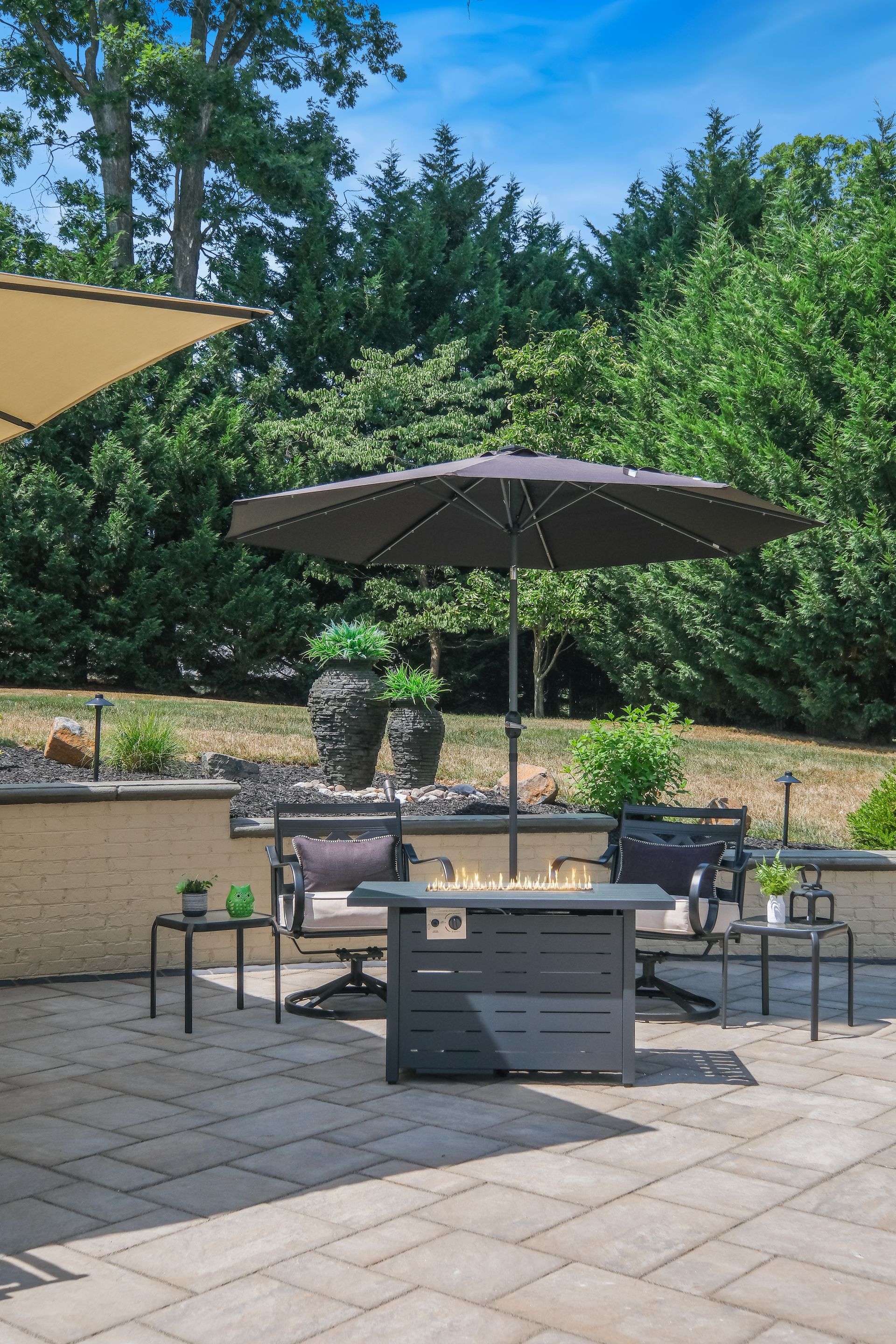
A shade structure should make the patio more comfortable while still respecting the openness of the yard. A pergola may define a seating or dining area with a lighter feel, while a pavilion may create stronger coverage for cooking, lounging, or poolside use.
For Forest Hill homes, placement is especially important because outdoor areas may be viewed from several parts of the home. A structure should not block important sightlines, crowd a patio, or make the backyard feel smaller than it is.
Bayside Outdoor Living looks at sun direction, patio size, rooflines, views, and outdoor routines before recommending a pergola or pavilion design. The goal is to create a covered area that feels useful, balanced, and natural within the larger landscape.
Details to Decide Before Choosing the Structure
A pergola or pavilion should be planned around the way the space will be used, not just the way the structure looks. These details help determine size, placement, and comfort.
Shade Timing
The design should consider when the patio gets the most sun and whether the structure is meant for morning coffee, afternoon shade, outdoor dinners, or poolside breaks.
Furniture and Clearance
Tables, chairs, lounge furniture, grills, counters, and walking space should be measured before the final footprint is approved.
Views From the Home
The structure should feel balanced from windows, doors, patios, and nearby outdoor areas so it improves the space without feeling visually heavy.
Pergola or Pavilion: Choosing the Right Fit
A pergola works well when the patio needs definition, partial shade, and an open-air feeling. It can help frame a seating area, soften a sunny patio, or create a transition between the house and the yard without fully covering the space.
A pavilion is better suited for homeowners who want more protection overhead. It can create a roofed outdoor room for dining, cooking, entertaining, or relaxing near the pool. With the right planning, it can also support lighting, fans, outlets, heaters, or other comfort features.
The decision should come from how the space will be used. A small patio may need a lighter pergola, while a larger outdoor living area may benefit from the stronger presence of a pavilion.
Structure Materials and Comfort Features to Consider
The right details can make a pergola or pavilion feel more complete, more comfortable, and more connected to the rest of the outdoor space.
Wood or composite structures
For a look that can be matched to the home, patio, and surrounding landscape
Roofed pavilion options
For stronger coverage over dining areas, outdoor kitchens, lounges, or poolside seating.
Lighting and fan planning
For better evening use and improved comfort during warmer months.
Stone or column details
To help the structure feel tied to nearby patios, walls, kitchens, or hardscape features.
These selections should be reviewed early so the finished structure supports the way the outdoor area will be used throughout the season.
How Covered Areas Connect With Patios, Kitchens, and Pool Spaces
A pergola or pavilion often becomes the place where people naturally gather, so the surrounding layout matters. The patio should leave enough room for furniture, walking routes, and any nearby features such as an outdoor kitchen, fire area, or seating wall.
If the structure is near a pool, it may provide a shaded place to rest between swims. If it is near an outdoor kitchen, it can help define the cooking and dining area. If it sits near a garden or wooded backdrop, it can create a quieter place to sit without feeling disconnected from the rest of the yard.
Good placement helps the covered space feel like part of the outdoor plan rather than a separate structure added after the patio was built.
From Shade Idea to Finished Outdoor Structure
Understand How the Space Should Feel
We begin by discussing whether the structure should create shade for dining, poolside seating, outdoor cooking, quiet lounging, or a larger entertainment area.
Review the Patio and Yard Conditions
A design specialist studies sun exposure, patio size, grade, drainage, views from the home, nearby trees, existing hardscape, and access for construction.
Plan the Structure Layout
The design is shaped around coverage, post placement, furniture space, roof direction, lighting needs, and how people will move around the structure.
Understand How the Space Should Feel
We begin by discussing whether the structure should create shade for dining, poolside seating, outdoor cooking, quiet lounging, or a larger entertainment area.
Review the Patio and Yard Conditions
A design specialist studies sun exposure, patio size, grade, drainage, views from the home, nearby trees, existing hardscape, and access for construction.
Plan the Structure Layout
The design is shaped around coverage, post placement, furniture space, roof direction, lighting needs, and how people will move around the structure.
Select Materials and Features
Structure style, finish details, lighting, fans, electrical needs, roof options, project scope, and investment are reviewed before construction begins.
Prepare and Build
Bayside coordinates layout markings, footings, material staging, structure installation, and any related patio or utility preparation.
Review the Finished Space
After installation, the pergola or pavilion is reviewed so the shade, access, comfort features, and final details feel ready for everyday outdoor use.
Select Materials and Features
Structure style, finish details, lighting, fans, electrical needs, roof options, project scope, and investment are reviewed before construction begins.
Prepare and Build
Bayside coordinates layout markings, footings, material staging, structure installation, and any related patio or utility preparation.
Review the Finished Space
After installation, the pergola or pavilion is reviewed so the shade, access, comfort features, and final details feel ready for everyday outdoor use.
Add Shade That Makes the Yard More Enjoyable
A pergola or pavilion can make a Forest Hill outdoor space feel more comfortable, more finished, and more useful during the parts of the day when shade matters most. Bayside Outdoor Living can help design and build a structure that fits the patio, supports your outdoor routine, and connects naturally with the surrounding landscape.
FAQs
About Pergolas & Pavilions in Forest Hill, MD
How do I know whether a pergola or pavilion is better?
A pergola is usually better for partial shade and a lighter visual feel. A pavilion is better when the space needs stronger coverage for dining, cooking, lounging, or poolside use.
Can a pavilion be added near a pool?
Yes. A pavilion can work well near a pool when the layout allows enough room for seating, walking space, shade, drainage, and clear movement between the pool and other outdoor areas.
Should fans and lighting be planned before construction?
Yes. Electrical needs are easier to include before the structure is built. Planning fans, lighting, outlets, or heaters early helps the finished space feel more complete.
Can a pergola or pavilion be part of a larger backyard design?
Yes. These structures often work best when planned with patios, outdoor kitchens, fire features, lighting, pool decks, walkways, and planting areas so the full outdoor space feels connected.