
Retaining Walls & Seating Walls in Perry Hall, MD
Turn Uneven Yard Areas Into More Useful Space
A Perry Hall backyard may have areas that feel difficult to use because of slope, uneven ground, older hardscape, or patio edges that need more definition. Retaining walls and seating walls can help turn those awkward areas into outdoor spaces that feel more stable, organized, and ready for everyday use.
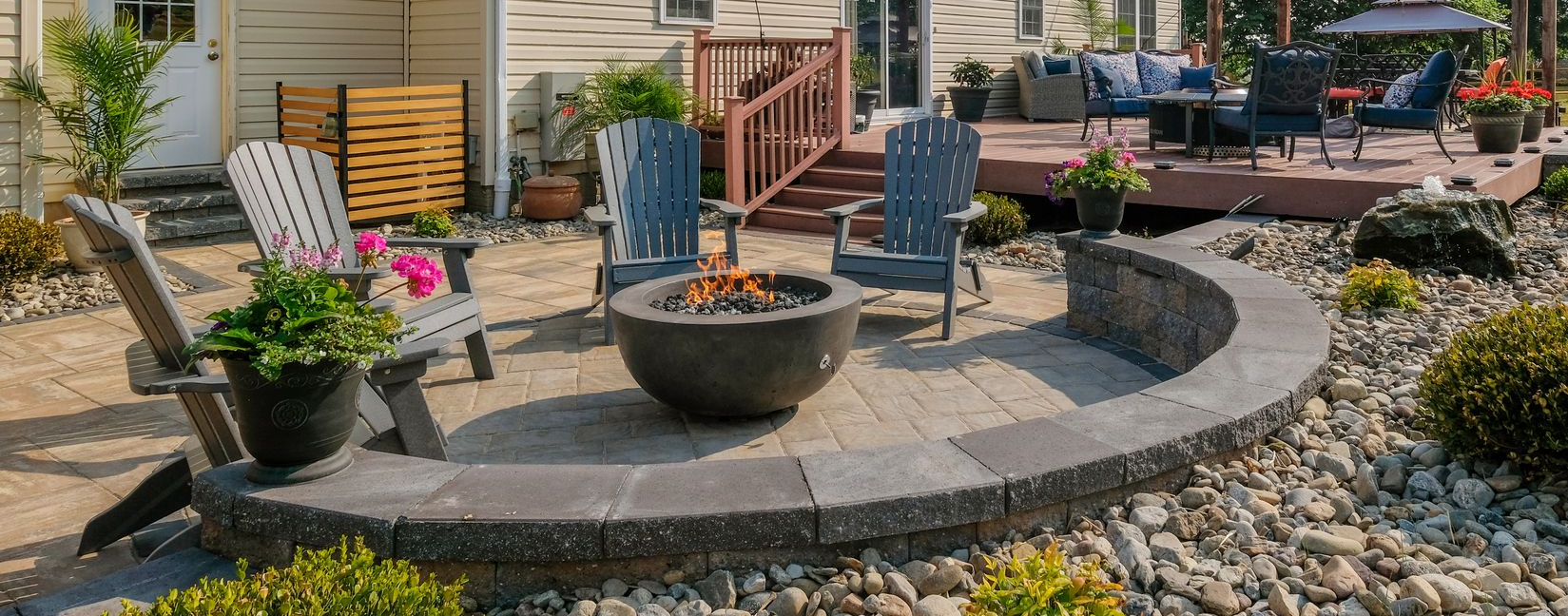
Bayside Outdoor Living designs and builds retaining walls and seating walls in Perry Hall, MD for homeowners who want better structure, cleaner transitions, and more function in the backyard. The right wall can support a grade change, frame a patio, add built-in seating, improve a fire feature area, or help connect different outdoor zones.
Build Walls Around the Way the Backyard Is Used
A retaining wall should not be planned as a separate structure with no connection to the rest of the yard. It should support the way the outdoor space is meant to function. In Perry Hall, that may mean helping a patio feel more level, giving a fire pit area a cleaner boundary, or making a sloped section of the yard easier to work with.
Seating walls can also be valuable in family-focused backyards. They can give guests a place to sit during gatherings, reduce the need for extra chairs, and make a patio feel more complete without filling the space with more furniture.
When walls are placed thoughtfully, the backyard becomes easier to understand. The patio has a stronger edge, the gathering area feels more intentional, and changes in grade feel like part of the design instead of a problem to work around.
Wall Features That Add Function to Perry Hall Backyards
A retaining wall or seating wall should improve the space around it, not simply divide the yard.
Grade Support
A retaining wall can help manage a slope, raised area, or uneven section of the yard. This can make it easier to create a patio, walkway, poolside area, or more usable outdoor zone.
Built-In Seating
A seating wall can add a permanent place to sit around a patio, fire feature, outdoor kitchen, or gathering space. This can be helpful when the backyard is used for family events or casual entertaining.
Patio Edges
A low wall can frame a patio and make the space feel more finished. It can also help separate the hardscape from lawn, steps, planting areas, or another outdoor zone without fully closing off the yard.
Wall Caps
Wall caps affect both comfort and appearance. A smooth, well-sized cap can make a seating wall easier to use, while also giving the wall a cleaner finished edge.
Plan Drainage, Height, and Base Details First
The structure behind a wall matters as much as the surface people see. Before choosing the final material, the design should account for height, soil pressure, base preparation, drainage, and how the wall will meet the surrounding grade.
Drainage is especially important for retaining walls because water behind the wall needs a place to go. Without proper drainage planning, the wall may face pressure that affects long-term performance. This becomes even more important when the wall is near a patio, walkway, pool deck, or low area of the yard.
Height should also be considered carefully. A wall that is too tall can make a smaller backyard feel closed in. A wall that is too low may not solve the grade issue. The best design fits the scale of the yard and supports the space without making it feel heavy.
Choose Materials That Work With the Patio and Home
Wall materials should feel connected to the home and nearby hardscape. Segmental wall block can create a clean, durable look for many retaining wall projects. Natural stone can bring more texture when the backyard needs a softer or more established feel.
Caps, pavers, steps, lighting, and patio materials should also be considered together. A seating wall around a fire feature may need a warmer finish. A retaining wall beside a patio may need to coordinate with the paver color and border details. A wall near a walkway may need a simple edge that keeps movement clear.
For Perry Hall homeowners, the best wall design often balances function with a comfortable suburban backyard feel. The wall should look finished, but it should also support the way the family uses the space.
Our Retaining Wall and Seating Wall Process in Perry Hall, MD
Review the Yard and Grade Changes
We look at slopes, patio edges, drainage, existing hardscape, access points, and areas where a wall could improve the outdoor layout.
Define the Wall’s Purpose
We determine whether the wall needs to support soil, add seating, frame a patio, organize a fire feature, or create a cleaner transition.
Plan Structure and Drainage
We review height, base preparation, water movement, soil pressure, and how the wall should connect to the surrounding yard.
Review the Yard and Grade Changes
We look at slopes, patio edges, drainage, existing hardscape, access points, and areas where a wall could improve the outdoor layout.
Define the Wall’s Purpose
We determine whether the wall needs to support soil, add seating, frame a patio, organize a fire feature, or create a cleaner transition.
Plan Structure and Drainage
We review height, base preparation, water movement, soil pressure, and how the wall should connect to the surrounding yard.
Select Materials and Cap Details
We discuss wall block, natural stone, caps, colors, textures, and finishes that fit the home and nearby hardscape.
Coordinate Nearby Features
We plan how the wall works with patios, walkways, steps, lighting, outdoor kitchens, fire features, pool decks, or seating areas.
Prepare the Wall for Construction
Once the placement, structure, drainage, and materials are clear, the project can move forward with a wall designed for support and long-term use.
Select Materials and Cap Details
We discuss wall block, natural stone, caps, colors, textures, and finishes that fit the home and nearby hardscape.
Coordinate Nearby Features
We plan how the wall works with patios, walkways, steps, lighting, outdoor kitchens, fire features, pool decks, or seating areas.
Prepare the Wall for Construction
Once the placement, structure, drainage, and materials are clear, the project can move forward with a wall designed for support and long-term use.
Add Better Structure to Your Perry Hall Backyard
A retaining wall or seating wall can help your backyard feel more organized, more comfortable, and easier to use. Bayside Outdoor Living can help you design retaining walls and seating walls in Perry Hall, MD that support the property, connect with your hardscape, and add practical outdoor function.
FAQs
About Retaining Walls & Seating Walls in Perry Hall , MD
When does a yard need a retaining wall?
A retaining wall may be needed when a slope, raised area, or grade change makes the yard harder to use. It can help support soil, create cleaner transitions, and make patios or walkways easier to plan.
Can a seating wall replace outdoor chairs?
A seating wall can reduce the need for extra chairs, especially around patios, fire features, and gathering areas. Many homeowners still use some movable furniture, but built-in seating can make the space feel more organized.
Why are wall caps important?
Wall caps finish the top of the wall and affect comfort, appearance, and durability. For seating walls, the cap should feel comfortable enough to sit on and coordinate with the surrounding hardscape.
What materials can be used for retaining walls and seating walls?
Common options include segmental wall block, natural stone, wall caps, and coordinated paver or hardscape materials. The best choice depends on the wall’s purpose, height, style, and connection to nearby outdoor features.