
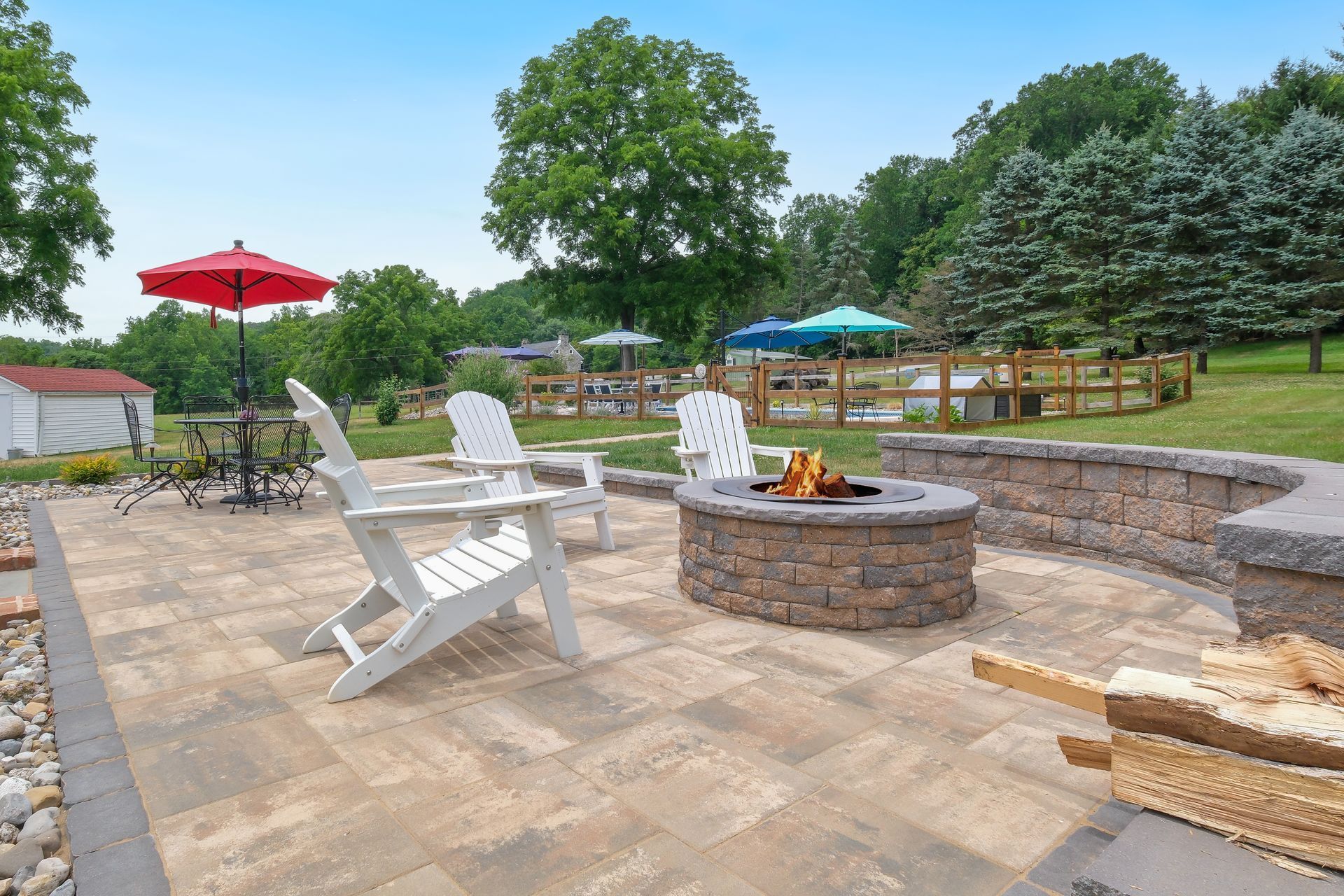

Follow the planning timeline for a pavilion or pergola in Perry Hall, MD, from consultation and design through construction and final review.
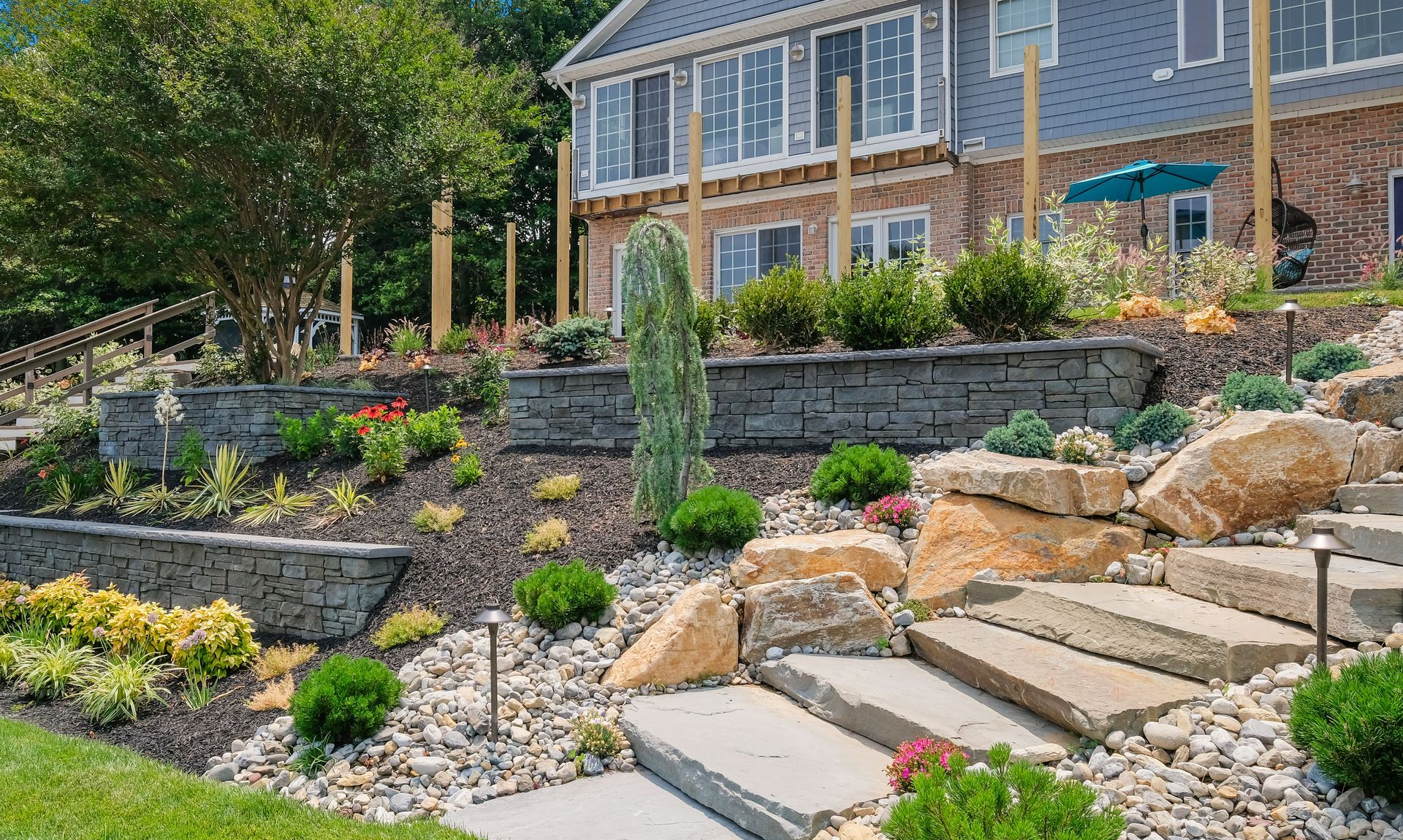
Learn what shapes an outdoor living design project in Towson, MD, including property conditions, 3D design, materials, drainage and covered structures.
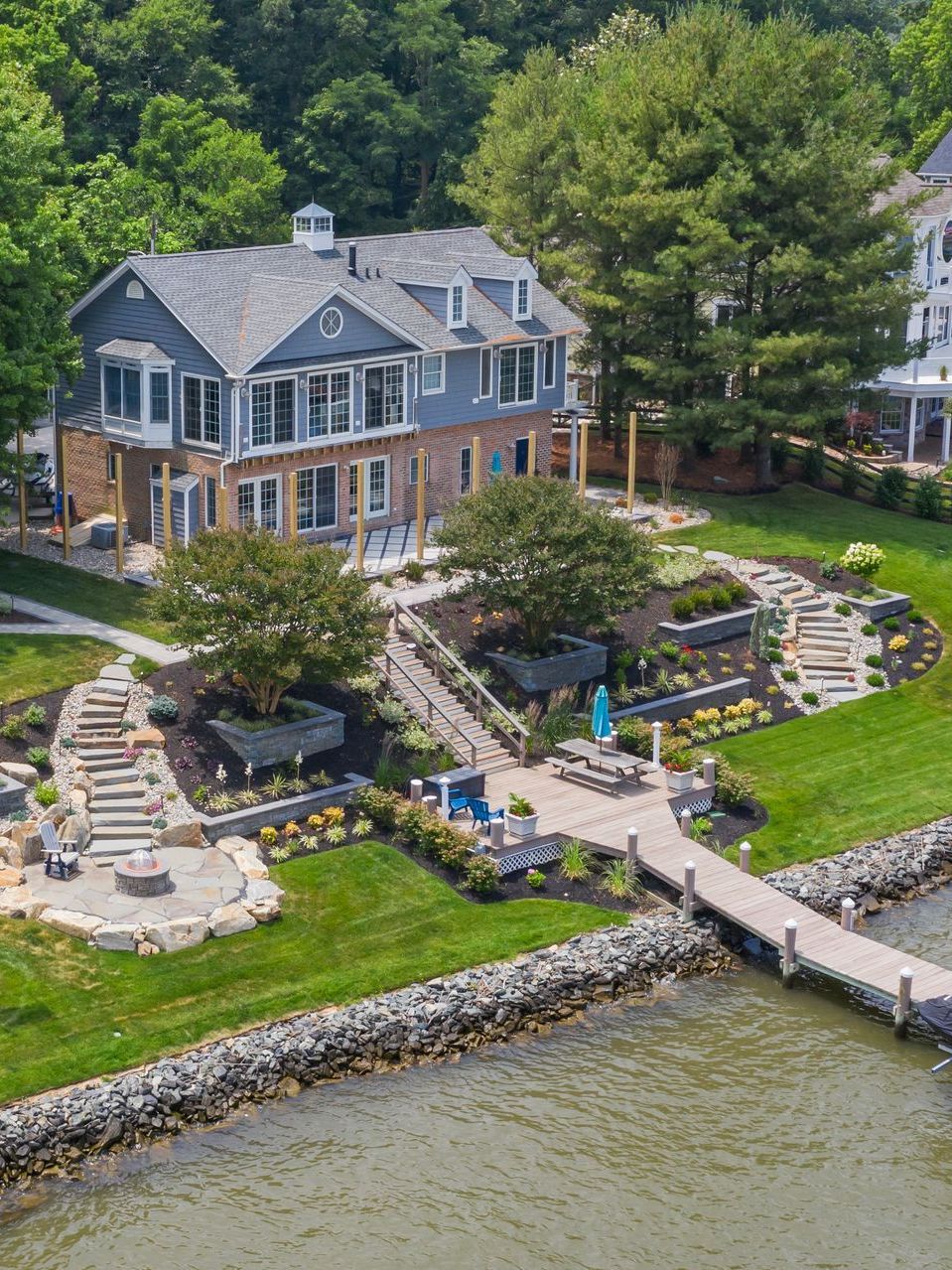
See how summer backyard routines reveal priorities for shade, seating, circulation, cooking, and a better outdoor living design.
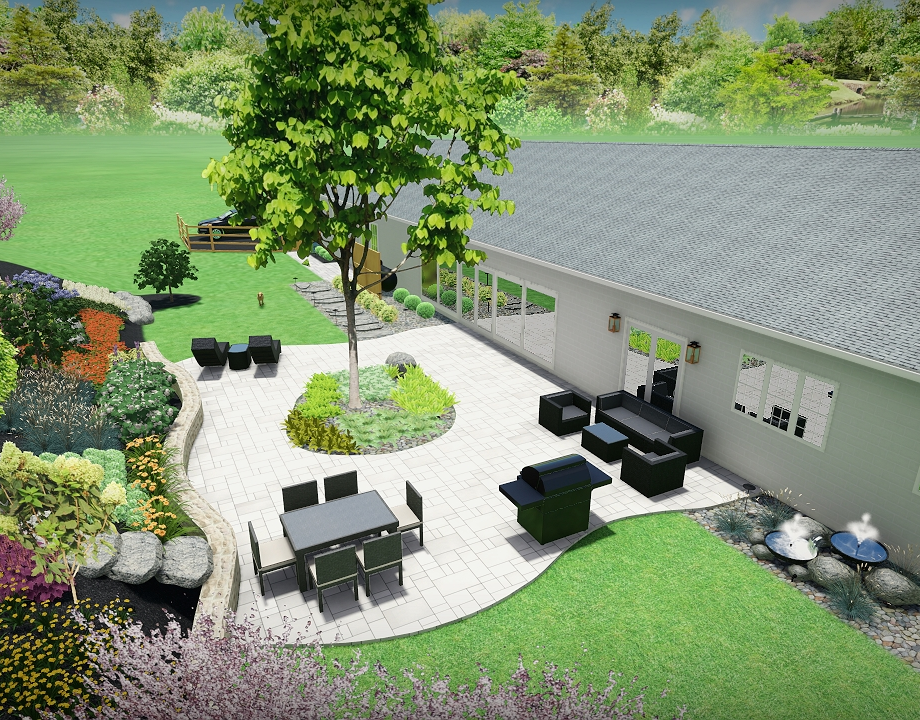
A patio contractor Maryland homeowners trust should do more than install a flat surface. The right patio design details help the backyard feel finished, connected, and easier to use. Transitions, borders, seating walls, lighting, drainage, and layout decisions can turn a basic patio into a complete outdoor living area. At Bayside Outdoor Living , we look at how each patio detail supports the whole yard. A patio should feel natural from the back door, hold up through Maryland weather, and give homeowners a comfortable place to cook, relax, and host. Why a Patio Contractor Maryland Homeowners Choose Should Focus on Details Small design choices often determine whether a patio feels custom or unfinished. A patio may have quality pavers, but if the edges feel abrupt, the steps are awkward, or the furniture does not fit, the backyard can still feel incomplete. Bayside Outdoor Living studies how people enter the patio, where they gather, how water moves after storms, and what the space needs to support future upgrades. If your patio should connect with a larger backyard plan, start with Patios & Hardscapes Service. Transitions Help the Patio Feel Connected to the Home A patio should not feel like it was dropped into the yard. Transitions help connect the house, lawn, walkways, steps, and nearby outdoor features. A smooth transition may include a wider step from the door, a walkway that guides guests naturally, or a grade change handled with a low wall instead of a steep drop. These details matter in Maryland yards where slopes, shaded areas, and wet ground can affect daily use. A strong transition makes the patio feel like part of the home. Borders Add Structure Without Overcomplicating the Design Borders can define the patio, highlight its shape, and give the surface a more polished appearance. They also help separate the patio from lawn, planting beds, gravel areas, or walkways. A border should match the style of the home and the scale of the backyard. In some spaces, a subtle paver edge is enough. In others, a contrasting border can frame dining or lounge areas and make the layout easier to understand without making the surface feel busy. Seating Walls Make Outdoor Areas More Useful A seating wall can make a patio feel more complete because it adds structure, defines edges, and provides extra gathering space without relying only on movable furniture. This detail is especially helpful when homeowners host often or want the patio to feel grounded. A seating wall can frame a fire feature, organize a dining zone, or create a natural edge where the yard changes grade. Bayside Outdoor Living considers height, comfort, drainage, and how the wall affects walking space. If your backyard needs a clearer design plan before adding built features, we can help organize the details with Design Services. Lighting Extends Comfort Beyond Daytime Use Lighting can change how a patio feels after sunset. It helps guests move safely, highlights steps, and makes the space more welcoming during evening gatherings. The best patio lighting is not harsh or random. Step lights can improve safety. Soft lighting near seating can make the patio feel warmer. Accent lighting can highlight a wall or walkway without overwhelming the backyard. A patio that feels comfortable in the evening is more likely to become part of everyday life, not just weekend entertaining. Drainage Planning Protects the Finished Patio Drainage is one of the least visible details, but it is one of the most important. A patio can look beautiful at first and still create problems if water pools near the house, settles under furniture, or runs across walkways. Bayside Outdoor Living reviews slope, soil conditions, downspouts, and nearby lawn areas before construction decisions are made. A paver patio needs the right base and pitch so water moves where it should, reducing maintenance concerns and wet areas after storms.
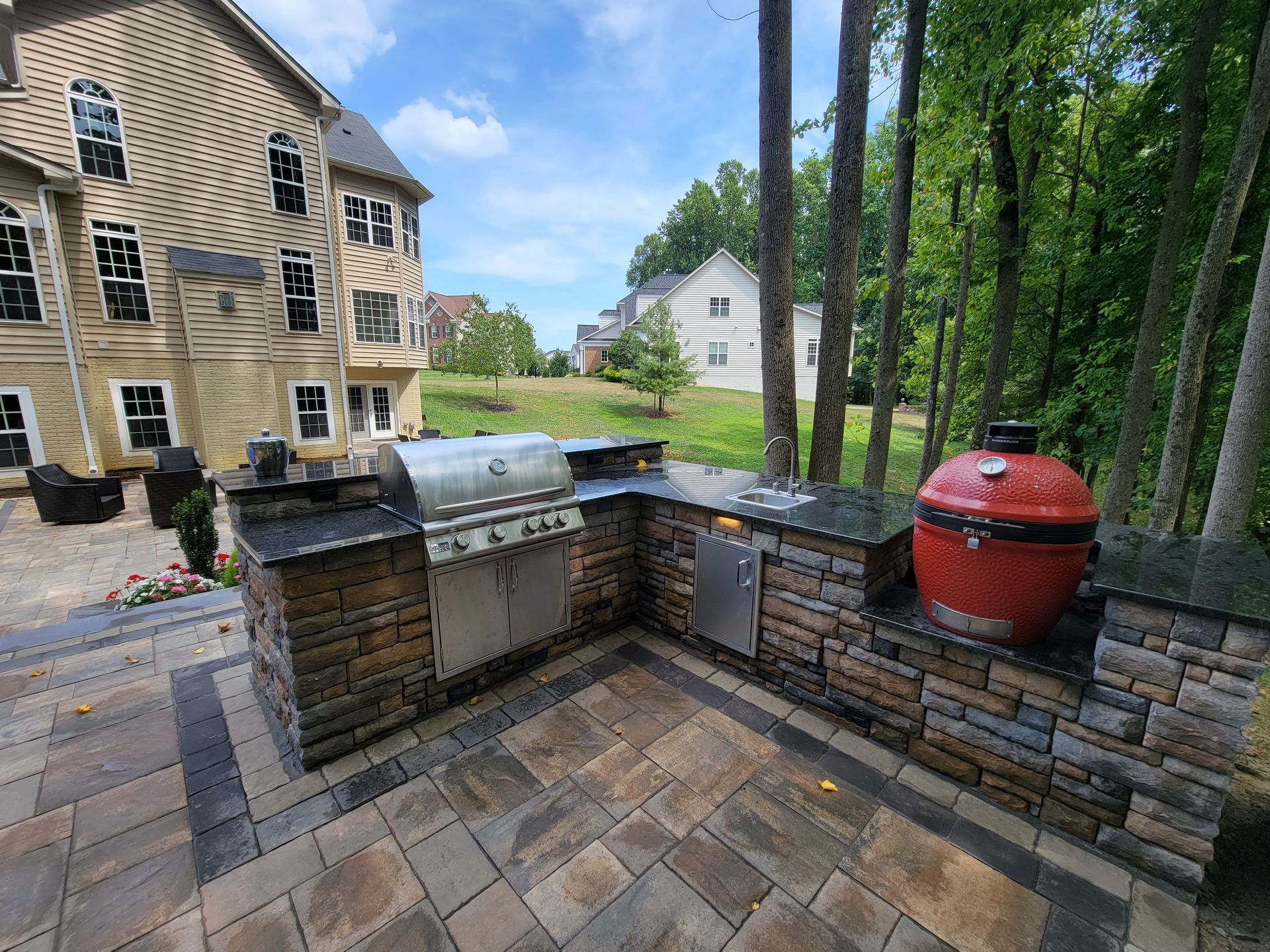
See how Bayside Outdoor Living plans outdoor kitchens for better hosting, prep space, seating, hardscaping, and Maryland backyard comfort.
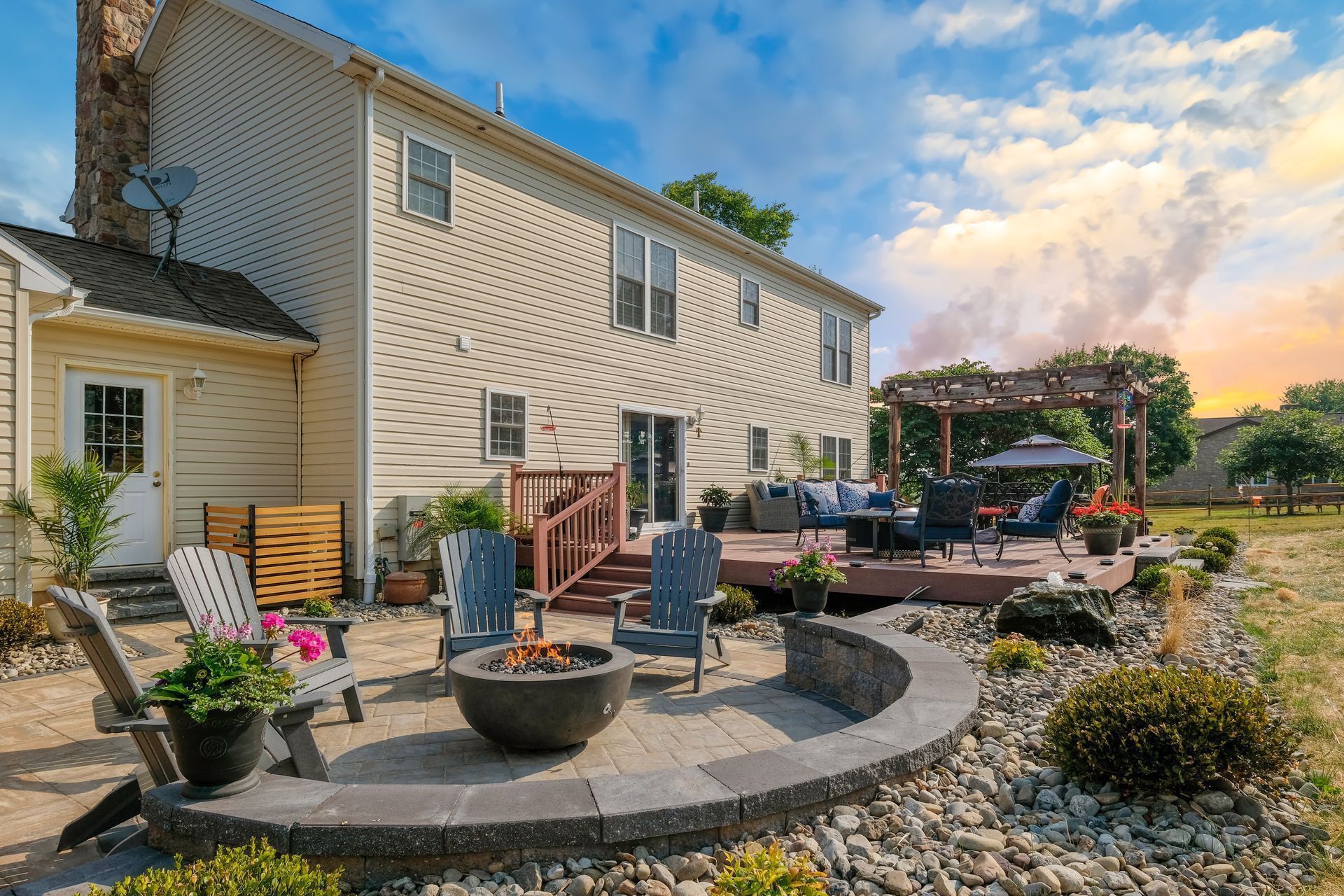
See how landscaping designers improve backyard function, flow, drainage, comfort, and long-term outdoor use for Maryland homeowners.
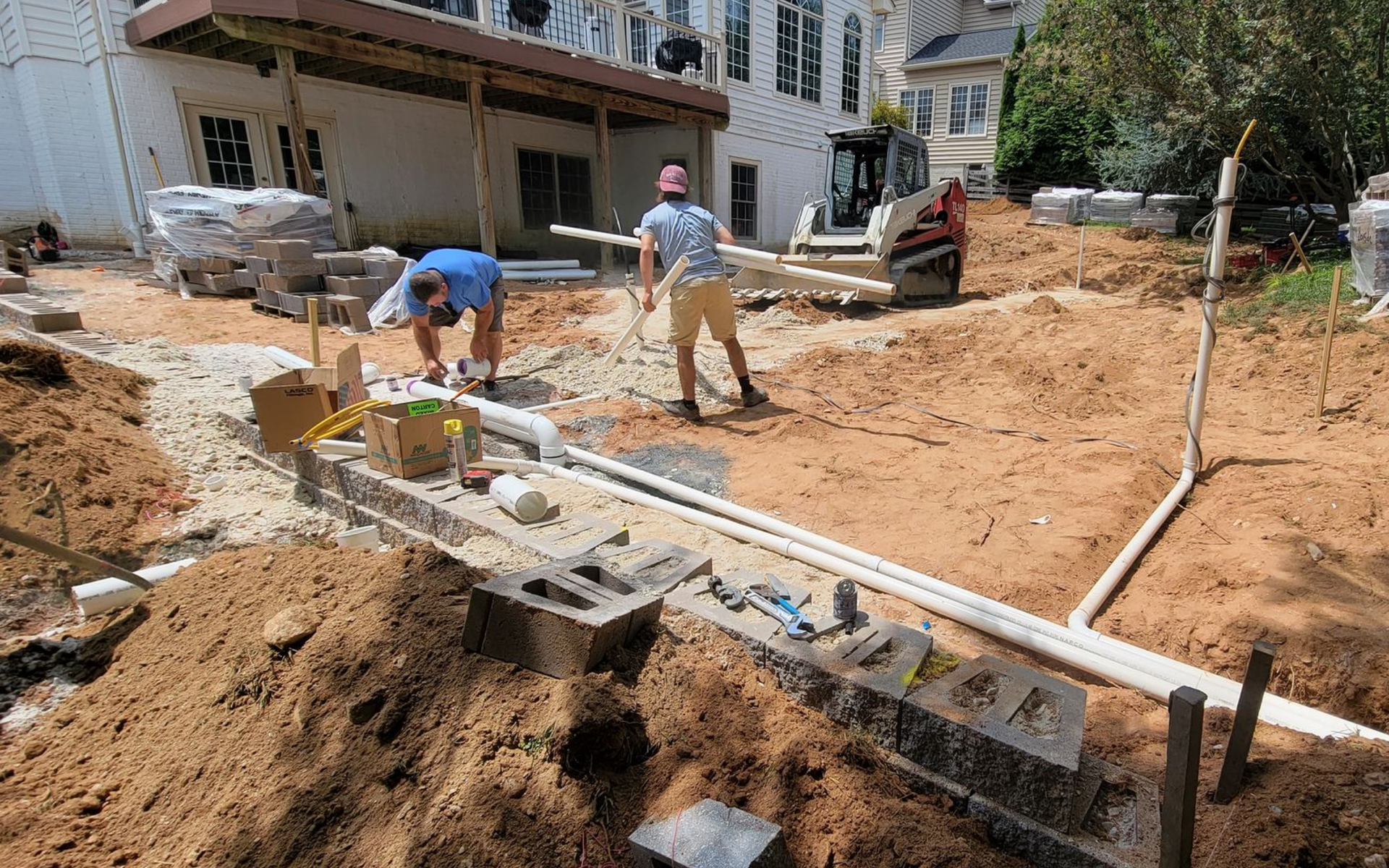
Learn what makes a great outdoor living contractor and how Maryland homeowners can choose the right team for patios, design, and hardscaping.
See which outdoor living projects add value, improve daily use, and help Maryland homeowners plan smarter backyard upgrades.
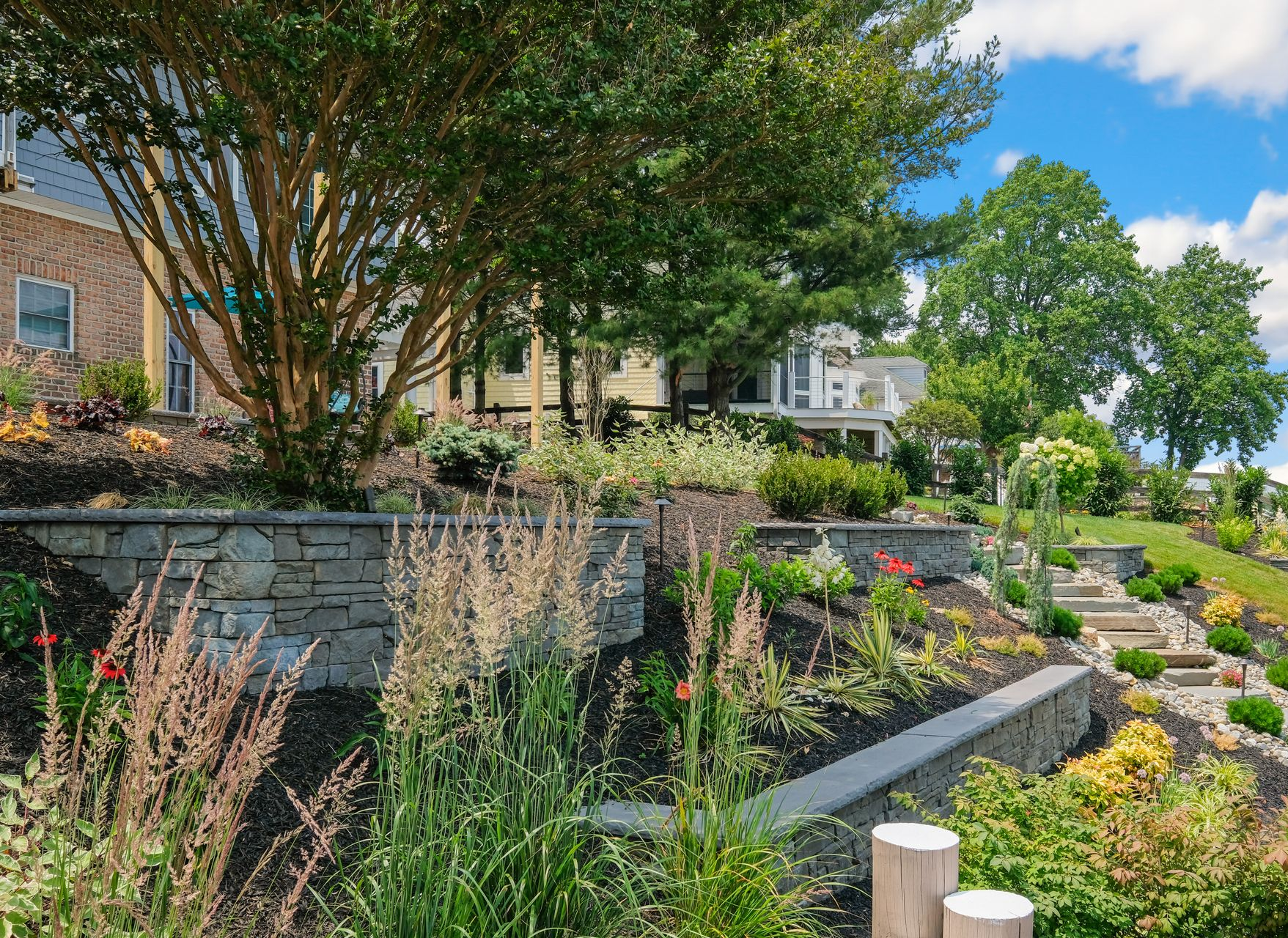
See when your Maryland backyard needs a professional landscape designer for better layout, drainage, comfort, and long-term outdoor use.
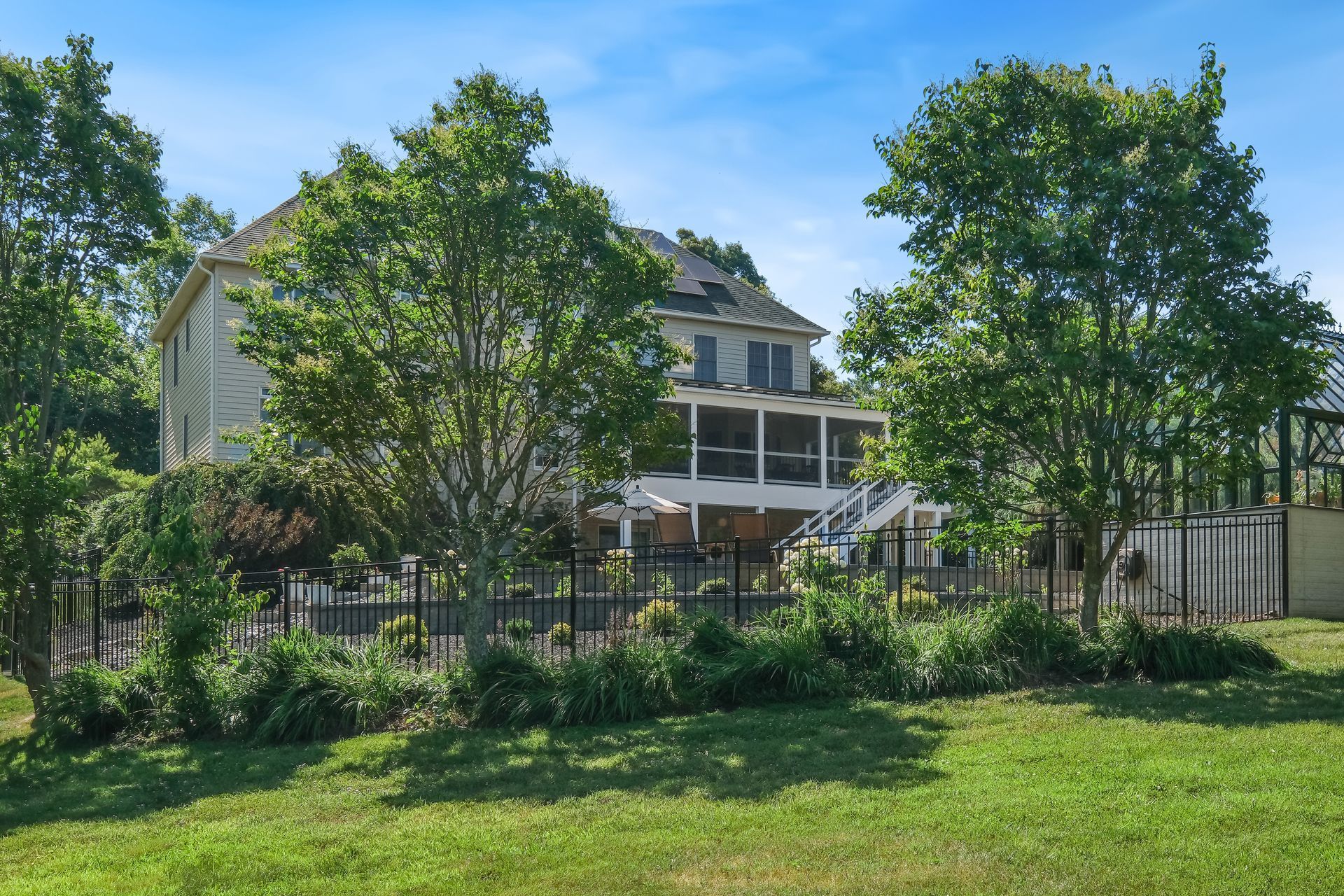
Learn the best time for landscaping in Harford County, including seasonal tips for planting, hardscaping, and outdoor projects.