
Outdoor lighting in Bel Air: Prepare your backyard for shorter fall days

October 20, 2026

Share this article

As daylight becomes more limited in the fall, the way a backyard functions can change quickly. A patio that felt comfortable during a summer dinner may become difficult to navigate before the evening is over. Steps, walkways and transitions between outdoor areas can also become less visible once the sun goes down.


A professionally designed outdoor lighting system can help the property remain comfortable, attractive and easier to use through fall and beyond. The objective is not to make the entire yard bright. It is to place the right amount of light where people walk, gather, cook and spend time.


For homeowners researching an outdoor lighting company in Bel Air, MD, fall provides a useful opportunity to observe which parts of the property disappear into shadow first.


At Bayside Outdoor Living, we design lighting around the home, landscape and evening routine. That means evaluating pathways, patios, steps, architectural details and outdoor living features as one connected environment.


Start by walking the property after sunset

Outdoor lighting should be planned when the property’s nighttime conditions can be clearly understood.


Walk through the routes normally used after dark. Begin at the driveway or front entry, continue along any side-yard access and then move between the house, patio and other backyard features.

Notice where you slow down because the surface or direction is unclear. These areas often reveal more than a daytime inspection alone.


Also look back toward the home from different points in the yard. This perspective can show where the property feels balanced and where a section appears disconnected after sunset.


The goal is to identify real lighting needs before selecting fixtures.


Prioritize the routes people use most

Paths and transitions usually deserve attention before decorative features. A front walkway should make the approach to the home easy to understand. Side-yard access may need subtle guidance between the driveway and backyard. Within an outdoor living space, lighting should help guests move between doors, seating, dining and other activity zones.


Path lighting does not need to create a continuous row of visible fixtures. Careful spacing can define the route while preserving darker areas and the natural character of the landscape.


For Bel Air properties with mature trees or established planting beds, fixture placement should account for changing vegetation. A light that works in October may become obstructed when plants return to full growth.


Make steps and elevation changes easier to see

Steps, retaining walls and changes in grade can become difficult to read at night, particularly when adjacent materials are similar in color.


Lighting should help define where one level ends and another begins without producing distracting glare. Depending on the design, this may involve fixtures integrated into steps or walls, low-mounted lights or illumination from a nearby position.


The direction of the light matters as much as its brightness. A fixture aimed toward someone’s eyes can make a transition harder to see rather than easier.


During the design process, we evaluate how people approach each elevation change from both directions. This helps the lighting support actual movement rather than illuminate only the most visible side.


Give the patio more than one source of light

A single bright fixture attached to the house may technically illuminate a patio, but it rarely creates a comfortable outdoor atmosphere.


A better plan usually layers several types of light. The patio may need enough visibility for movement, softer illumination around seating and focused task lighting near cooking or serving areas.


Lighting for conversation areas

Lounge seating benefits from warm, controlled light that allows people to see one another without feeling as though they are under a spotlight.


Fixtures can be incorporated around walls, nearby landscape areas or structural elements. The objective is to create depth around the seating area instead of directing intense light into the center.


Lighting for outdoor dining

An outdoor dining area needs enough light for guests to see the table and move chairs safely.


However, excessive brightness can remove the atmosphere that makes dining outside appealing.

The lighting plan should account for table placement, nearby doors and the routes used to carry food between indoor and outdoor areas.


Lighting for cooking

Grills and outdoor kitchens require task lighting. The cooking surface, counters and storage areas should remain usable after sunset without forcing the cook to work in their own shadow.


If a larger kitchen is planned, lighting should be coordinated with the structure, appliances and electrical requirements before construction begins. Bayside Outdoor Living’s outdoor kitchen services in Bel Air explain how cooking and entertaining areas can be designed together.


Use lighting to extend fall patio use

Outdoor lighting does not change the temperature, but it can make a patio feel more inviting as evenings become cooler and darker.


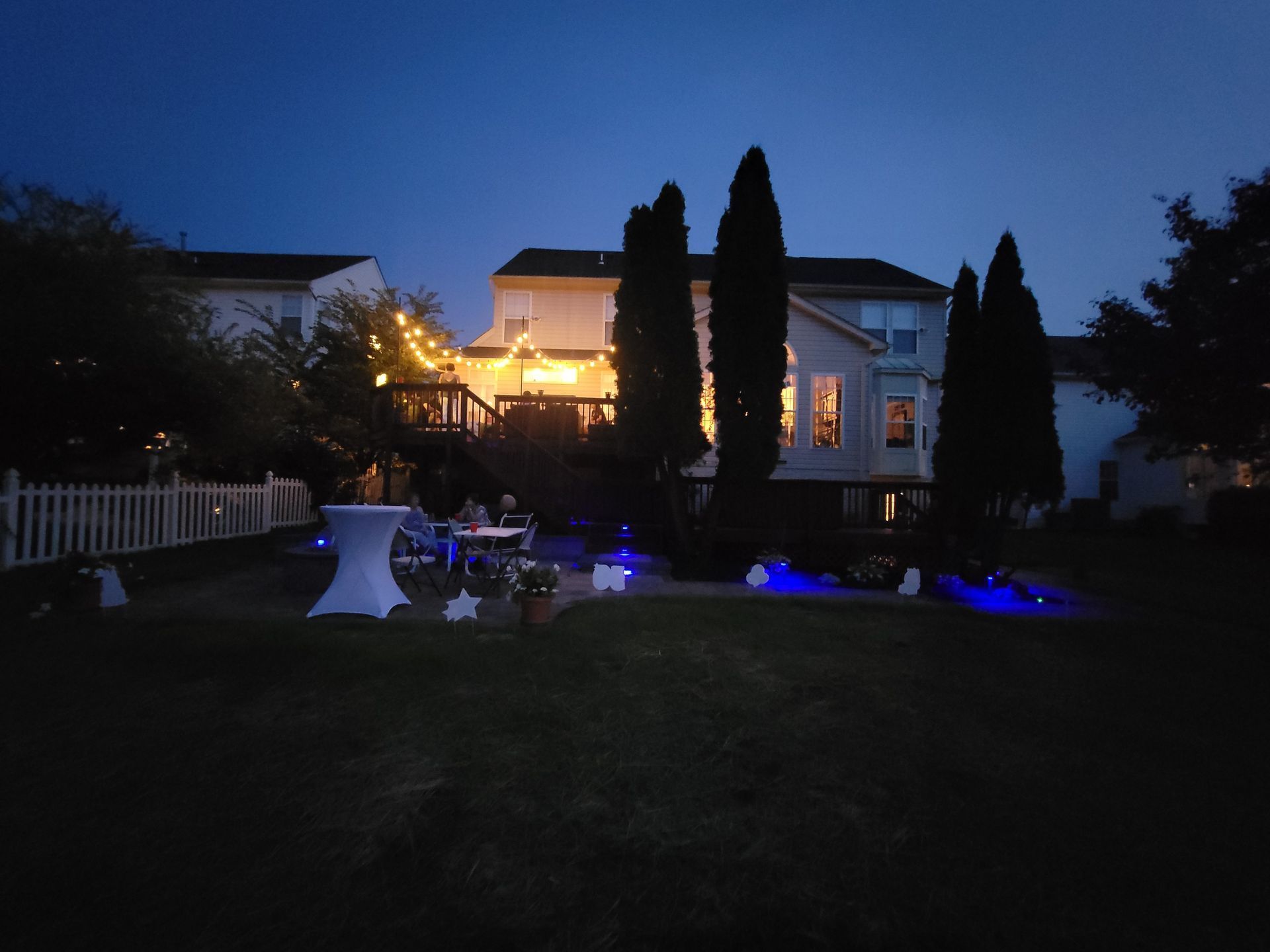
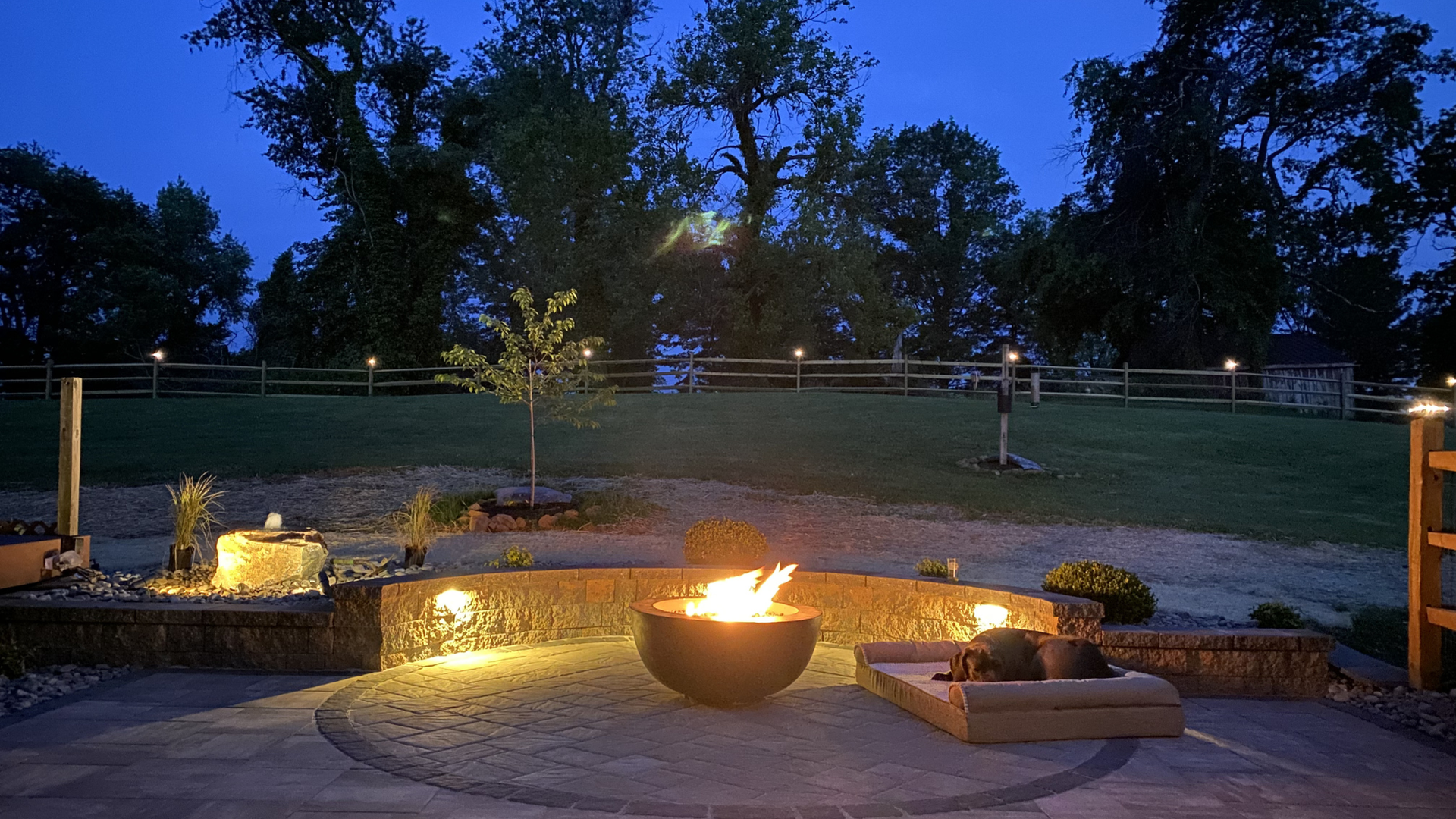
When people can clearly see the seating area, walking routes and surrounding landscape, the backyard feels open for use instead of closed for the night. This is particularly helpful around fire features, where the flame provides atmosphere but may not provide enough visibility for nearby steps and paths.


A lighting system should complement the fire rather than compete with it. Lower light levels around seating and carefully placed path lights can preserve the glow of the feature while supporting comfortable movement.


Homeowners considering a warmer fall gathering area can explore Bayside Outdoor Living’s custom fire features in Bel Air.


Highlight the landscape without lighting every plant

Landscape lighting can reveal the depth and character of the property after dark. Mature trees, stone walls, garden beds and selected architectural details may become visual anchors when they are illuminated intentionally.


The strongest design does not give every feature equal emphasis. Lighting everything at the same brightness can flatten the property and create unnecessary visual noise.


Instead, choose the elements that deserve attention from the patio, street or interior windows. A mature tree may create a strong focal point, while softer light on nearby plantings adds context without competing for attention.


Bel Air properties often include established landscaping that changes throughout the year. Fixture positions and beam directions should accommodate growth, seasonal pruning and the way leaves alter the nighttime effect.


Coordinate outdoor lighting with patios and walkways

Lighting is easier to integrate when it is considered during hardscape planning.


If a new patio, walkway or seating wall is being installed, conduits, wiring routes and fixture locations can be addressed before the finished surfaces are complete. This reduces the need to work around newly installed materials later.


The lighting plan should identify where people enter the patio, how they move between areas and which edges or transitions need definition.


Bayside Outdoor Living designs patios and walkways in Bel Air with attention to layout, drainage, furniture clearance and connections between outdoor spaces. Adding lighting to that planning process helps the finished hardscape remain usable after natural light fades.


Existing patios can also receive lighting, but access and installation routes must be evaluated first.


Consider pergolas and pavilions as lighting zones

Pergolas and pavilions can provide useful locations for overhead, accent and task lighting.


A pavilion used for dining may need a different lighting arrangement from a pergola covering lounge furniture. Fans, televisions, cooking equipment and other planned features can also influence fixture placement and controls.


Lighting decisions should be made before the structure is complete whenever possible. Early coordination helps conceal wiring and ensures that fixtures align with beams, posts and furniture placement.


Homeowners planning a covered gathering area can review Bayside Outdoor Living’s pergola and pavilion services in Bel Air.


Choose fixture brightness and color carefully

More brightness does not automatically produce better visibility.


Extremely bright fixtures can create glare and make surrounding dark areas feel even darker. A balanced system uses appropriate light levels, spacing and direction to guide the eye naturally through the property.


Color temperature also affects how materials and landscaping appear. Warmer light can create a relaxed atmosphere around patios and planting areas, while task zones may require slightly clearer illumination.


Consistency matters, but every fixture does not need to perform the same role. The system can combine pathway, accent and task lighting while maintaining a cohesive appearance.


During design, we consider how the light looks from the outdoor space and from inside the home. A fixture that appears subtle from the patio may create unwanted glare through a nearby window if its direction is not adjusted.


Are shorter fall days making parts of your Bel Air property difficult to use after sunset?

Schedule an outdoor lighting consultation with Bayside Outdoor Living to review your walkways, steps, patio, landscape and evening gathering areas.


Decide how the lighting system should be controlled

Outdoor lighting should fit naturally into the homeowner’s routine.


Timers can operate the system according to a defined schedule, while photocell controls can respond to changing daylight. Smart controls may allow homeowners to adjust zones, timing or brightness from a compatible device.


Zoning is useful when the property has several distinct uses. Pathway lights may need to remain on longer than decorative landscape lighting. A patio or outdoor kitchen may only need full illumination while the space is occupied.


The control plan should be discussed before installation so the system does not depend on inconvenient switches or require every fixture to operate at the same time.


Use professional-grade fixtures for Maryland conditions

Outdoor fixtures are exposed to moisture, soil, temperature changes and routine landscape activity.

The fixture body, finish, connections and placement should be appropriate for the installation environment. A product designed only around appearance may not provide the durability or performance expected from a permanent outdoor system.


Low-voltage LED lighting is commonly used because it can provide controlled illumination with efficient operation. The quality of the system, however, depends on more than the bulb. Transformer capacity, wiring, connections, fixture positioning and installation practices all contribute to performance.


A professional proposal should identify the principal equipment and explain how the system will be installed and controlled.

Patio with white chairs, red umbrella, and stone fire pit in a grassy backyard

Plan for maintenance and landscape growth

Outdoor lighting needs periodic review because the landscape continues to change after installation.


Plants can grow in front of fixtures. Mulch may cover low-mounted lights. Tree branches can alter beam patterns, and normal yard work may shift a fixture away from its intended direction.


Cleaning lenses and making occasional adjustments can help preserve the original effect. If the system includes several zones or smart controls, homeowners should also retain the operating information.


Maintenance access should be considered during installation. Fixtures and connections should not be placed where ordinary service would require unnecessary disturbance to the patio or landscape.


What should an outdoor lighting estimate include?

A clear proposal should describe more than the number of fixtures.


It should explain which parts of the property will be illuminated, the general fixture types, major equipment, control approach and installation responsibilities. If the project requires work around existing hardscaping or landscaping, those conditions should be addressed.


The estimate should also distinguish the approved scope from possible future additions. A homeowner may begin with front walkways and the main patio while planning a later phase around a pavilion, pool or outdoor kitchen.


Comparing detailed scopes is more useful than comparing fixture counts alone. Two systems with the same number of lights may produce very different results depending on fixture quality, positioning and design.


Review the lighting after dark

The final evaluation should happen when the lighting can be seen under actual nighttime conditions.


During the review, walk each route included in the project and observe the patio from multiple positions. Check whether steps and surface changes are visible, whether fixtures create glare and whether the landscape has the intended depth.


Small aiming or brightness adjustments may improve the final result. These details are difficult to judge accurately during daylight.


The project representative should also demonstrate the controls and explain how to adjust timing or zones where applicable.


Plan outdoor lighting in Bel Air with Bayside Outdoor Living

A successful outdoor lighting system helps people move comfortably, enjoy the patio longer and see the best parts of the property after sunset.


At Bayside Outdoor Living, we plan lighting around the complete outdoor environment. We consider pathways, steps, patios, kitchens, structures, fire features and landscaping so the system feels connected instead of added one fixture at a time.


Fall is a practical time to evaluate the property because shorter days make lighting gaps easier to identify. The system itself, however, should support the home throughout every season.


Explore our Maryland outdoor lighting services, then contact Bayside Outdoor Living to begin planning professional outdoor lighting for your Bel Air home.


Related outdoor living resources

Recent Posts

November 10, 2026
Plan an outdoor fire pit in Phoenix, MD with Bayside Outdoor Living. Explore patio space, seating layouts, and practical design for cooler evenings.

Custom gas fire pit surrounded by patio seating at a Lutherville, Maryland home
October 13, 2026
Compare gas and wood-burning fire pits for your Lutherville, MD backyard, including convenience, placement, patio design and long-term use.

Custom pavilion and paver patio designed for a Perry Hall, Maryland backyard
September 30, 2026
Follow the planning timeline for a pavilion or pergola in Perry Hall, MD, from consultation and design through construction and final review.
Custom outdoor living design with a patio and pavilion at a Towson, Maryland home
September 24, 2026
Learn what shapes an outdoor living design project in Towson, MD, including property conditions, 3D design, materials, drainage and covered structures.
By Bayside Outdoor Living • August 25, 2026
Learn how a patio contractor can design covered patios, outdoor fireplaces, and cohesive outdoor living spaces for a longer Maryland season.
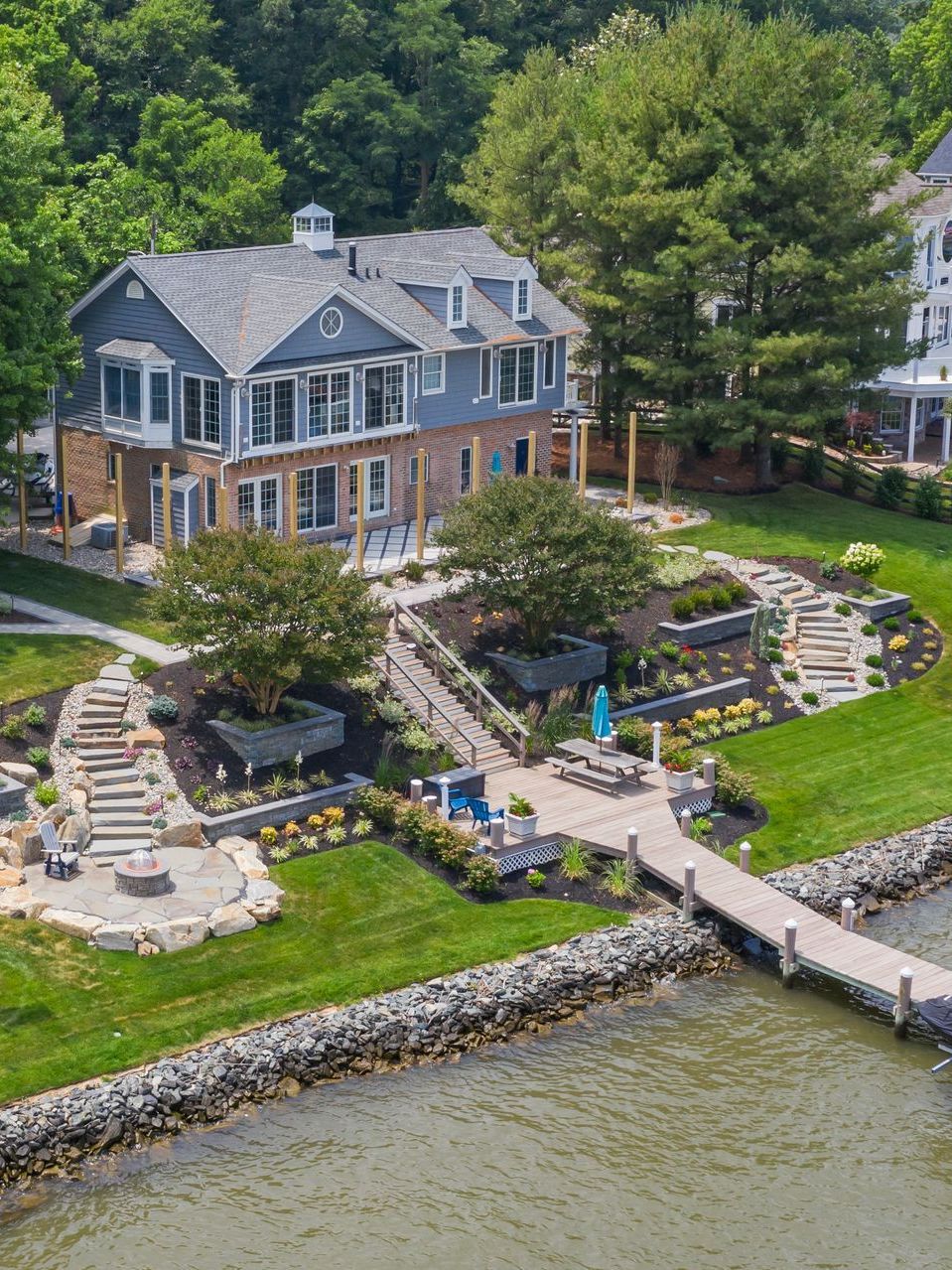
Waterfront stone house with dock, landscaped lawn, and surrounding trees
August 3, 2026
See how summer backyard routines reveal priorities for shade, seating, circulation, cooking, and a better outdoor living design.
July 20, 2026
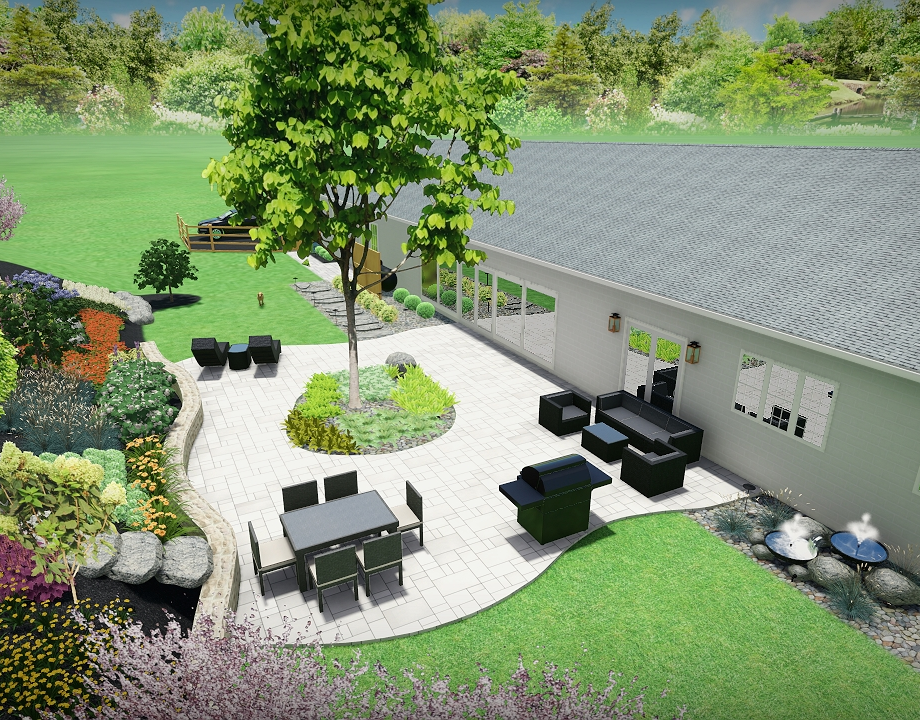
A patio contractor Maryland homeowners trust should do more than install a flat surface. The right patio design details help the backyard feel finished, connected, and easier to use. Transitions, borders, seating walls, lighting, drainage, and layout decisions can turn a basic patio into a complete outdoor living area. At Bayside Outdoor Living , we look at how each patio detail supports the whole yard. A patio should feel natural from the back door, hold up through Maryland weather, and give homeowners a comfortable place to cook, relax, and host. Why a Patio Contractor Maryland Homeowners Choose Should Focus on Details Small design choices often determine whether a patio feels custom or unfinished. A patio may have quality pavers, but if the edges feel abrupt, the steps are awkward, or the furniture does not fit, the backyard can still feel incomplete. Bayside Outdoor Living studies how people enter the patio, where they gather, how water moves after storms, and what the space needs to support future upgrades. If your patio should connect with a larger backyard plan, start with Patios & Hardscapes Service. Transitions Help the Patio Feel Connected to the Home A patio should not feel like it was dropped into the yard. Transitions help connect the house, lawn, walkways, steps, and nearby outdoor features. A smooth transition may include a wider step from the door, a walkway that guides guests naturally, or a grade change handled with a low wall instead of a steep drop. These details matter in Maryland yards where slopes, shaded areas, and wet ground can affect daily use. A strong transition makes the patio feel like part of the home. Borders Add Structure Without Overcomplicating the Design Borders can define the patio, highlight its shape, and give the surface a more polished appearance. They also help separate the patio from lawn, planting beds, gravel areas, or walkways. A border should match the style of the home and the scale of the backyard. In some spaces, a subtle paver edge is enough. In others, a contrasting border can frame dining or lounge areas and make the layout easier to understand without making the surface feel busy. Seating Walls Make Outdoor Areas More Useful A seating wall can make a patio feel more complete because it adds structure, defines edges, and provides extra gathering space without relying only on movable furniture. This detail is especially helpful when homeowners host often or want the patio to feel grounded. A seating wall can frame a fire feature, organize a dining zone, or create a natural edge where the yard changes grade. Bayside Outdoor Living considers height, comfort, drainage, and how the wall affects walking space. If your backyard needs a clearer design plan before adding built features, we can help organize the details with Design Services. Lighting Extends Comfort Beyond Daytime Use Lighting can change how a patio feels after sunset. It helps guests move safely, highlights steps, and makes the space more welcoming during evening gatherings. The best patio lighting is not harsh or random. Step lights can improve safety. Soft lighting near seating can make the patio feel warmer. Accent lighting can highlight a wall or walkway without overwhelming the backyard. A patio that feels comfortable in the evening is more likely to become part of everyday life, not just weekend entertaining. Drainage Planning Protects the Finished Patio Drainage is one of the least visible details, but it is one of the most important. A patio can look beautiful at first and still create problems if water pools near the house, settles under furniture, or runs across walkways. Bayside Outdoor Living reviews slope, soil conditions, downspouts, and nearby lawn areas before construction decisions are made. A paver patio needs the right base and pitch so water moves where it should, reducing maintenance concerns and wet areas after storms.
July 10, 2026
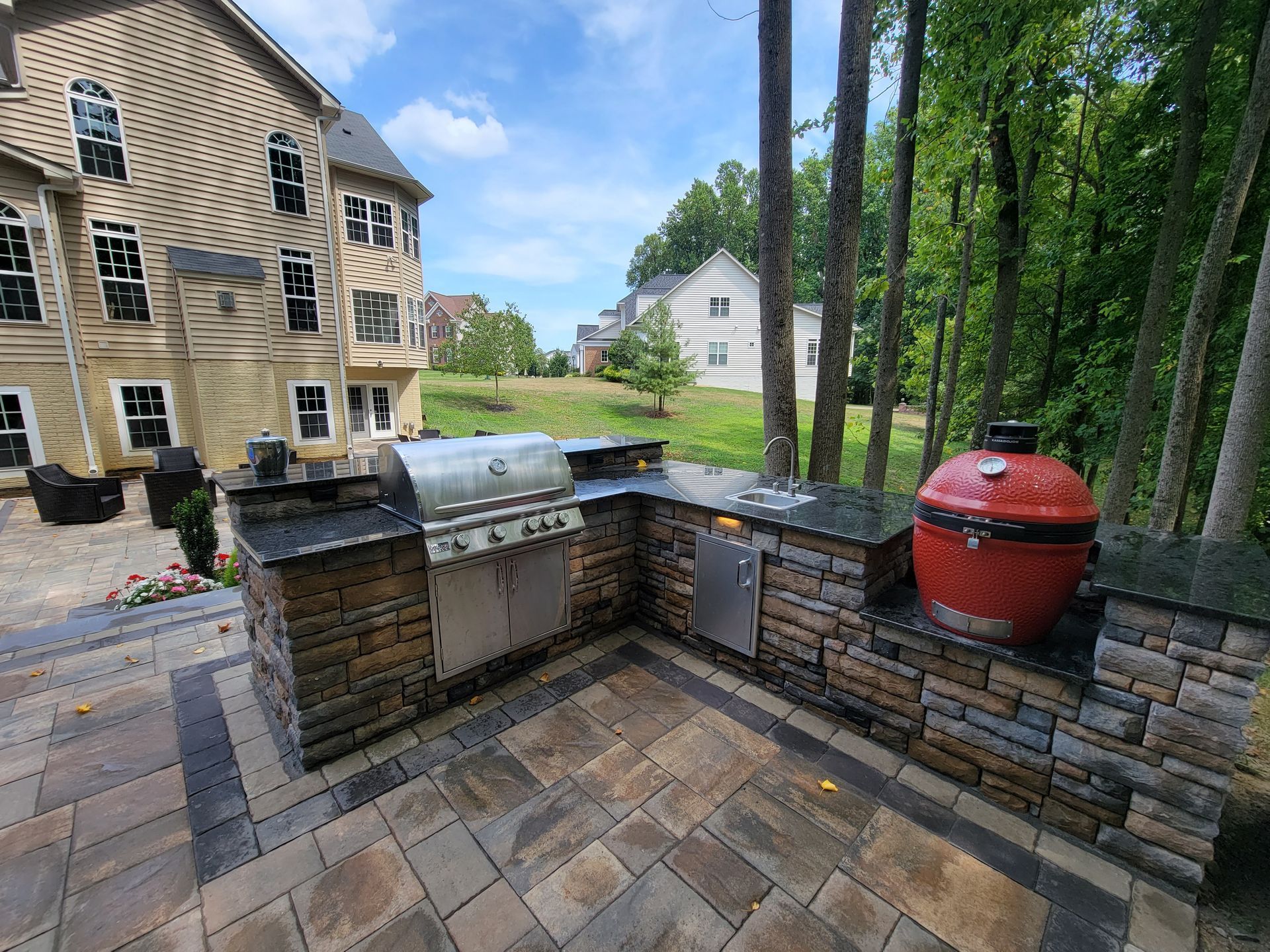
See how Bayside Outdoor Living plans outdoor kitchens for better hosting, prep space, seating, hardscaping, and Maryland backyard comfort.
June 26, 2026
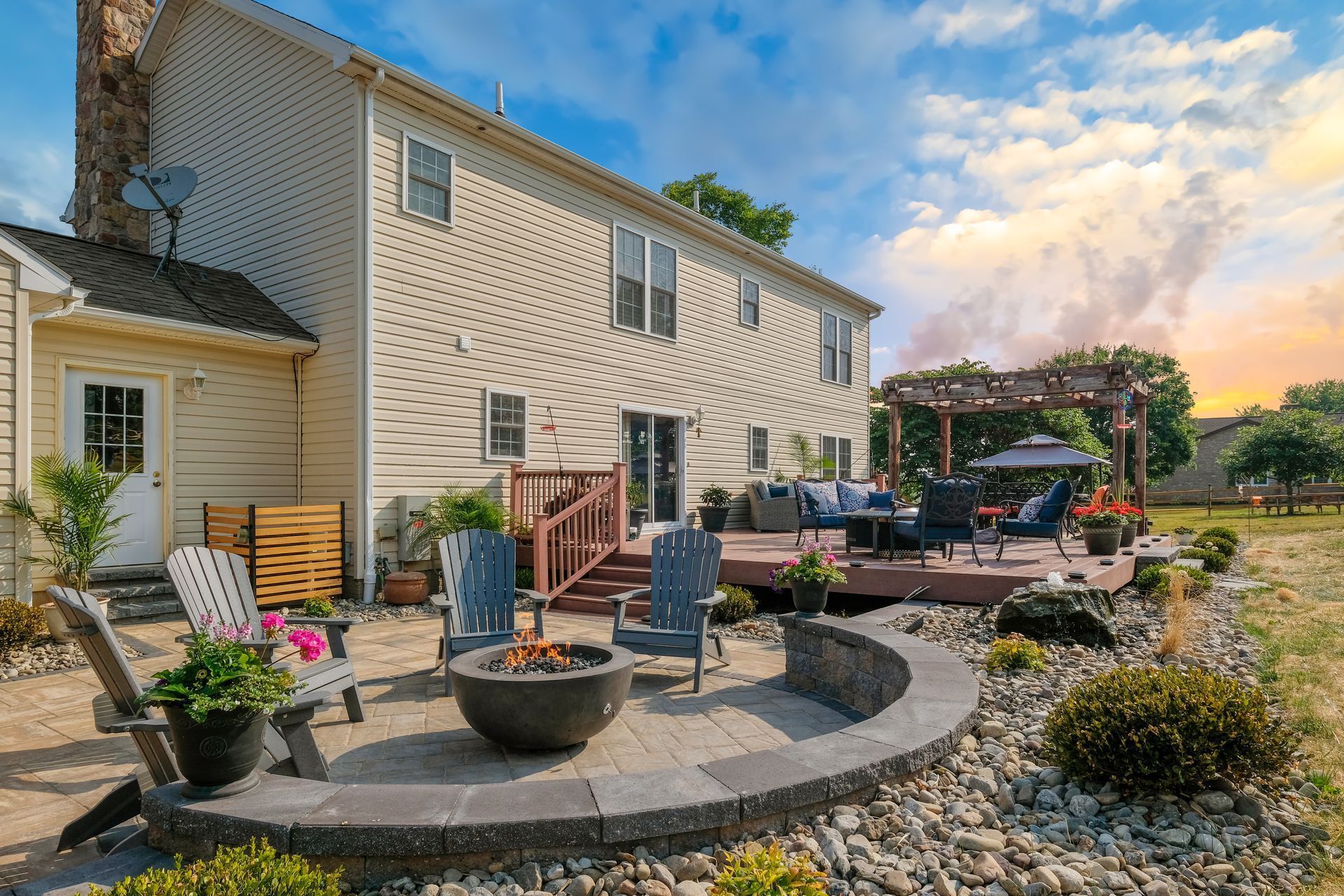
See how landscaping designers improve backyard function, flow, drainage, comfort, and long-term outdoor use for Maryland homeowners.
June 12, 2026
Learn what makes a great outdoor living contractor and how Maryland homeowners can choose the right team for patios, design, and hardscaping.

Show More